
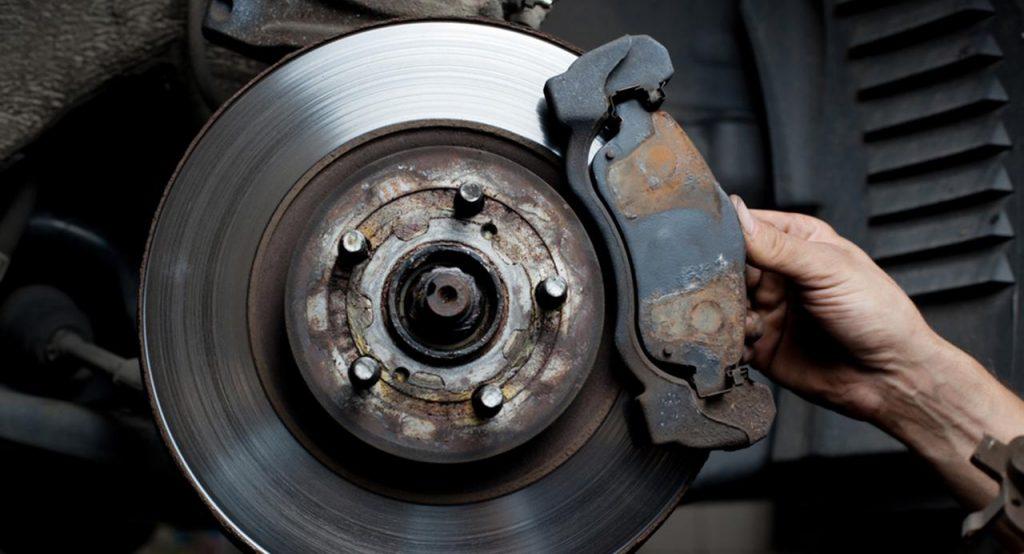
Poor brake performance rarely begins as a complete loss of stopping power. More often, the car starts sending smaller warnings: a softer pedal, longer stopping distance, unusual noise, vibration, or pulling under braking. Paying attention early can turn a manageable repair into something far safer than waiting for the braking system to deteriorate further.
Recognize Changes in the Brake Pedal
The pedal often provides the first useful clue. A pedal that suddenly feels softer, sinks farther than usual, or requires noticeably more pressure deserves attention. Changes can involve worn components, brake fluid problems, or other faults that require proper inspection.
Drivers sometimes become accustomed to gradual changes because they happen over weeks or months. Comparing your vehicle’s current braking feel with how it normally behaves can help you notice deterioration sooner.
People who routinely follow everyday information updates may be used to watching for small changes over time. The same habit is useful with vehicle maintenance: subtle changes often matter more than a dramatic failure that appears without warning.
Listen for Grinding, Squealing, or Scraping
Brake noise shouldn’t automatically be treated as harmless. Occasional light squealing can have several causes, but persistent grinding or harsh scraping may mean braking surfaces are badly worn.
Once metal components begin contacting surfaces they shouldn’t, repair costs can rise because rotors or other parts may also become damaged. Continuing to drive can make both braking performance and repair complexity worse.
| Warning Sign | Possible Issue | Best Response |
|---|---|---|
| Soft pedal | Hydraulic or fluid problem | Arrange inspection |
| Grinding noise | Severe pad wear | Stop delaying service |
| Steering vibration | Rotor or wheel issue | Have brakes checked |
| Pulling while braking | Uneven braking | Get professional diagnosis |
Notice Whether the Car Pulls or Vibrates
A vehicle that consistently pulls to one side while braking may not be applying braking force evenly. Tire condition, suspension faults, or alignment can sometimes create similar sensations, so guessing based on one symptom isn’t enough.
Reading broader online material can help drivers become familiar with common automotive terminology, but physical inspection remains important when stopping behavior changes. Brake faults aren’t a good area for trial-and-error driving.
Pay Attention to Steering Feedback
A steering wheel that shakes mainly during braking may point toward braking components or related wheel issues. Note when the vibration occurs and whether it becomes stronger at higher speeds, then describe that pattern to the technician.
Check for Fluid or Dashboard Warnings
Brake or ABS warning lights should not be ignored simply because the vehicle still stops. Modern braking systems can detect faults before the driver notices a major mechanical difference.
You can also look beneath a parked vehicle for unexplained fluid, without crawling under an unsupported car. General editorial reference material can broaden your maintenance knowledge, but identifying an actual brake-fluid leak is a job where professional confirmation matters.
Mistakes That Make Brake Problems Worse
One common mistake is judging brakes only by whether the car still stops. A vehicle can continue stopping while needing more distance, producing uneven force, or operating with badly worn components.
Another mistake is testing a suspected brake problem by repeatedly braking hard on public roads. That creates unnecessary risk. If braking suddenly feels weak, the pedal sinks, fluid appears to be leaking, or grinding is severe, avoid driving farther than necessary and arrange professional inspection or towing.
Frequently Asked Questions
Can worn brake pads reduce stopping performance?
Yes. As pads wear, braking behavior may change, especially when wear becomes severe or other components are affected. Noise, reduced responsiveness, or visible wear should prompt an inspection rather than relying on mileage alone.
Why does my brake pedal feel softer than before?
A soft pedal can have several causes involving brake fluid, hydraulic pressure, air in the system, or mechanical components. Because some causes are safety-critical, a significant new change should be professionally diagnosed.
Is brake vibration always caused by warped rotors?
No. Rotor issues are one possibility, but tires, wheels, suspension components, and other brake problems can create similar sensations. The timing and location of the vibration help narrow the cause.
Act Before Stopping Power Gets Worse
Brake problems are easier to deal with when you respond to the first meaningful change rather than the final failure. Notice pedal feel, sound, vibration, warning lights, and stopping distance. If anything changes suddenly or significantly, avoid experimenting on the road and have the braking system inspected before normal driving continues.