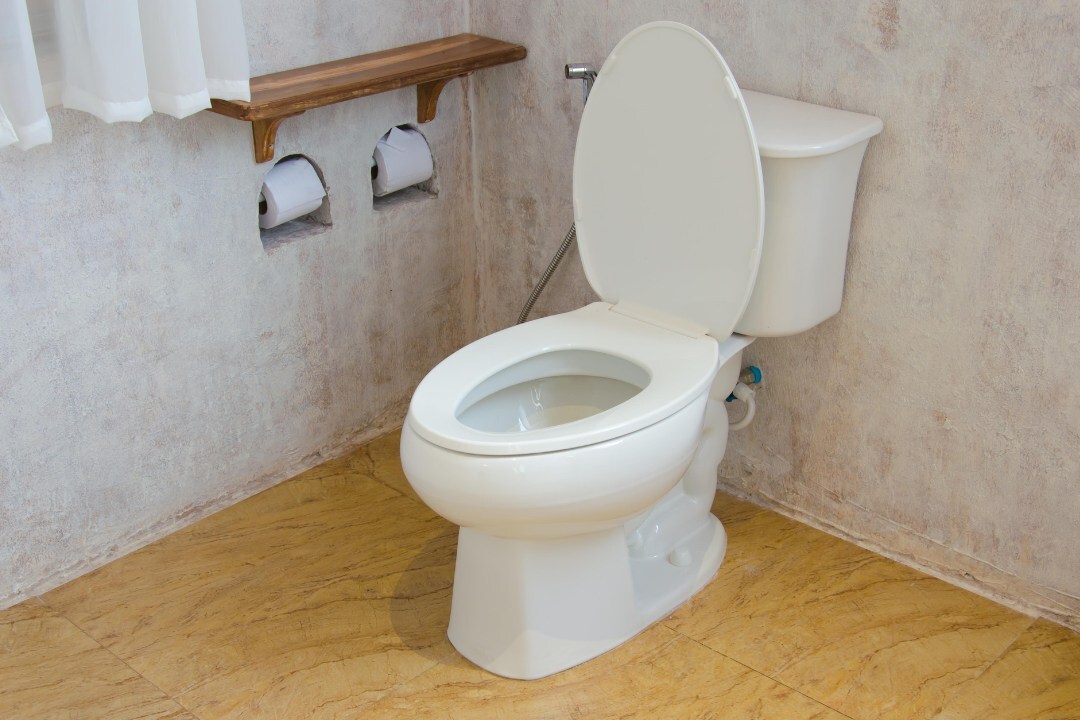
A toilet can leak for hours without leaving a single drop on the floor. Most toilet tank leaks happen when water quietly escapes from the tank into the bowl, causing the fill valve to cycle repeatedly. Finding the failing part early can stop wasted water and prevent a minor adjustment from becoming a larger repair.
How to Confirm a Toilet Tank Leak
Start by listening after the toilet has finished filling. Hissing, trickling, or an occasional refill sound often means water is escaping somewhere inside the tank.
A simple dye test can confirm the problem. Add a few drops of food coloring to the tank, avoid flushing for about 15 minutes, and check the bowl. Colored water in the bowl points to an internal leak.
Check the Water Level
Remove the tank lid carefully and look at the overflow tube. The water level should normally remain below the top of the tube.
If water continually spills into the overflow, the float may be set too high or the fill valve may not be shutting off correctly.
Inspect the Flapper and Flush Valve
The rubber flapper is one of the most common leak points. Mineral buildup, warping, or age can keep it from sealing tightly against the flush valve opening.
Homeowners comparing repair approaches may also find useful ideas through practical home improvement topics while identifying which small fixes are reasonable to handle themselves.
Turn off the toilet’s water supply before removing or replacing tank components. A replacement flapper should match the toilet’s flush valve size and design rather than being chosen only by appearance.
Look at the Fill Valve and Float
A fill valve that continues running after the tank reaches its normal level can waste substantial water over time. Move the float gently and see whether the valve shuts off.
Broader household setup guidance can be useful when organizing routine maintenance around fixtures, appliances, and other water-using equipment.
If adjustment doesn’t solve the problem, replacement may be simpler than repeatedly trying to repair an old valve.
| Leak Clue | Likely Area | Useful Check |
|---|---|---|
| Water enters bowl | Flapper | Perform dye test |
| Constant tank filling | Fill valve | Check float movement |
| Water in overflow | Float setting | Lower water level |
| Moisture outside tank | Connections | Inspect bolts and supply line |
Check Bolts, Seals, and the Supply Line
Not every toilet tank leak stays inside the bowl. Water around the tank, shutoff valve, or floor requires checking the supply connection, tank bolts, and rubber washers.
Ideas from interior maintenance resources can help place plumbing checks within a wider home-care routine, especially in bathrooms where moisture damage can spread unnoticed.
Dry each connection with a towel and watch for fresh moisture. Tighten loose fittings cautiously because porcelain can crack if excessive force is used.
Mistakes That Can Make the Leak Worse
Overtightening tank bolts is a common mistake. Porcelain isn’t designed to tolerate aggressive wrench pressure, and a cracked tank usually costs far more to correct than a leaking washer.
Another mistake is replacing several parts without first identifying where water is escaping. Test the flapper, water level, and outside connections separately. A few minutes of diagnosis can prevent buying unnecessary parts or creating a second leak while repairing the first.
Frequently Asked Questions
Why does my toilet refill by itself every few minutes?
Water is probably escaping slowly from the tank. A worn flapper, poor flush-valve seal, incorrect float setting, or faulty fill valve can cause the tank level to drop until the valve automatically refills it.
Can a toilet leak without water appearing on the floor?
Yes. Many toilet leaks occur internally, allowing water to move directly from the tank into the bowl. These leaks may be noticeable only through running-water sounds, repeated refilling, or a higher water bill.
Should I replace the entire toilet for a tank leak?
Usually not. Flappers, fill valves, seals, and supply lines are replaceable components. Replacement of the entire toilet becomes more reasonable when the porcelain is cracked, major components are badly deteriorated, or repeated repairs no longer solve the problem.
Stop the Leak Before It Becomes Expensive
A silent toilet leak is usually easier to fix when you identify the exact failure instead of replacing parts randomly. Test for tank-to-bowl leakage, verify the water level, and inspect external connections. If the porcelain is cracked or a repair continues leaking after proper installation, shut off the supply and have the fixture professionally evaluated.