Muddy entry floors get worse when wet soil is immediately pushed around with a mop. The fastest path to a cleaner floor is usually patience: contain the mess, remove loose material first, then clean the remaining marks with a method suited to the flooring. That order keeps a small muddy patch from turning into a much larger cleanup.
Start by Containing the Mud
Keep people and pets away from the dirty area until you have removed the worst of it. Fresh footprints can carry grit into hallways, rugs, and nearby rooms within minutes.
If the mud is thick and wet, scrape up excess material with a plastic scraper, old card, or paper towel. Avoid grinding it into seams or textured flooring.
Let Thin Mud Dry First
A thin layer is often easier to remove after it dries. Once dry, dirt can be swept or vacuumed instead of dissolved and spread across the floor.
Remove Loose Dirt Before Adding Water
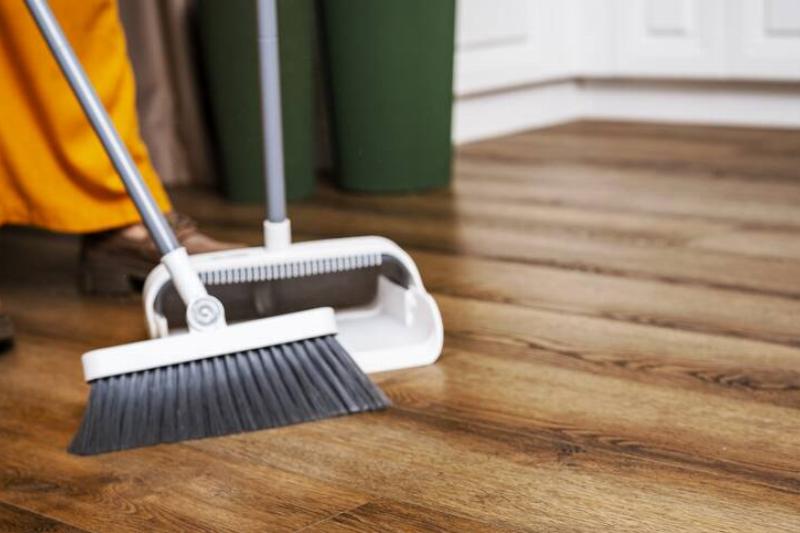
Sweep from the outside edge toward the center of the mess. A vacuum with a hard-floor setting can also collect dried soil and grit without pushing it into corners.
Entry organization ideas seen across practical home layouts can also be useful here. A defined shoe-drop area, washable runner, or boot tray gives mud fewer chances to travel beyond the doorway.
| Floor Situation | First Move | Avoid |
|---|---|---|
| Wet, thick mud | Lift excess carefully | Immediate mopping |
| Dry soil | Sweep or vacuum | Wetting it first |
| Mud near grout | Use a soft brush | Hard scraping |
| Dirty entrance mat | Shake outdoors | Cleaning over the floor |
Wash the Remaining Film Carefully
After loose dirt is gone, use a damp microfiber mop or cloth. Work with a small amount of cleaning solution rather than flooding the entry.
People planning easier-to-maintain entrances sometimes browse home styling inspiration for washable mats, storage benches, and other practical features. Whatever the room style, cleaning products should still match the actual flooring material.
Change Dirty Water Early
Brown mop water is no longer helping much. Rinse the mop or replace the water whenever it becomes visibly dirty, especially after cleaning soil from several square feet.
Deal With Edges and Textured Surfaces
Mud frequently remains around baseboards, grout lines, thresholds, and textured tile. Use a soft brush or microfiber cloth to reach these areas without aggressive scraping.
Ideas from household design resources may help when choosing future entry materials or washable surfaces. For the current mess, however, the safest approach is still determined by whether you have tile, vinyl, laminate, sealed wood, or another finish.
Mistakes That Make Mud Travel Farther
Starting with a soaking-wet mop is the classic mistake. Water turns loose dirt into a slurry, allowing it to settle into joints and spread across previously clean sections.
Using the same dirty cloth across the entire entry causes a similar problem. Work in small zones and fold or rinse the cloth often. Strong scrubbing isn’t always better either; grit trapped under a pad can scratch sensitive finishes.
Frequently Asked Questions
Should muddy floors dry before cleaning?
Thin mud often becomes easier to remove once dry because you can sweep or vacuum away much of the soil. Thick puddles should be lifted first so they don’t spread or seep into flooring joints.
Can vinegar remove muddy marks?
Diluted vinegar works on some surfaces but isn’t appropriate for every floor, including certain natural stone finishes. Check the flooring manufacturer’s care guidance before using acidic cleaners.
How can I stop mud entering the house?
Use an exterior scraper mat, an absorbent interior mat, and a clear place for wet shoes. Cleaning mats regularly matters because a saturated or dirt-filled mat can begin transferring grime back onto footwear.
Keep the Entry Easier to Clean
The best muddy-floor cleanup removes dry dirt before introducing much moisture. Once the area is clean, wash or shake out entrance mats and wipe the threshold so leftover grit doesn’t return with the next pair of shoes. A small boot tray or dedicated shoe zone can also turn future muddy days into shorter cleanup jobs.