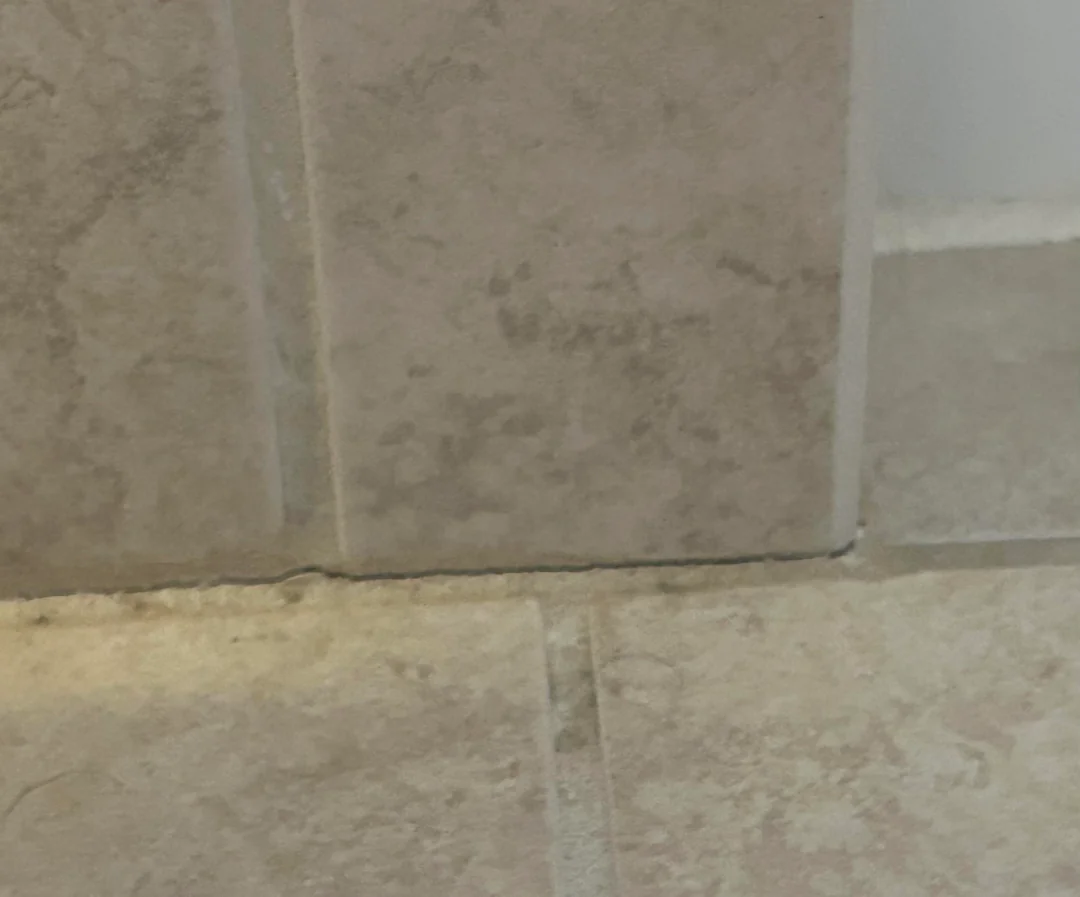
Cracked grout may look like a cosmetic flaw, but open gaps can let moisture reach areas that were meant to stay protected. Small repairs are often manageable at home when the tile remains firm and the surrounding surface is dry. The key is removing loose material rather than covering damage with another thin layer.
Why Grout Cracks in the First Place
Grout can crack when tile surfaces move slightly, the original mixture was too dry, or the joint was not packed completely. Repeated temperature and moisture changes can also stress grout around showers, tubs, countertops, and floors.
A hairline opening in one isolated joint is different from widespread cracking across several tiles. People comparing household repair methods may encounter interior maintenance reading while researching the broader causes, but the condition of the tile itself should guide the repair.
Check the Tile Before Repairing Grout
Press gently around the damaged joint. A tile that moves, rocks, or sounds noticeably hollow may point to a bonding problem underneath.
Replacing grout alone won’t correct movement. Fixing the underlying tile first can prevent the new grout from cracking again.
Remove Loose Grout Before Sealing the Gap
Use a grout saw, carbide scraper, or another tool designed for grout removal. Work slowly along the damaged joint and remove material until you reach solid grout that does not crumble under light pressure.
Protect tile edges from scratching. General household projects sometimes lead readers toward property maintenance references, but grout removal works best when the tool is controlled and kept centered in the joint.
Vacuum away dust before applying new material. Residual powder can weaken the bond between the replacement grout and the sides of the existing joint.
Choose the Right Repair Material
Small isolated grout repairs usually call for a compatible grout rather than caulk. Flexible sealant may be appropriate at changes of plane, such as where a wall meets a tub or another wall, because those areas experience more movement.
| Damage Pattern | Likely Approach | What to Check |
|---|---|---|
| Small grout crack | Replace loose grout | Tile remains stable |
| Crumbling joint | Remove weak material | Joint depth |
| Corner separation | Consider flexible sealant | Surface movement |
| Repeated cracking | Inspect underlying tile | Bond or movement |
Match the existing grout type and color as closely as practical. If you’re also maintaining patios or other tiled surfaces, outdoor upkeep material may appear during broader project research, though exterior installations can face different moisture and temperature conditions.
Apply and Finish the New Grout
Mix only the amount you can use within the product’s working time. Press the grout firmly into the cleaned joint so the gap is filled instead of merely coated at the surface.
Remove excess material with a grout float or suitable applicator. Once the grout begins to firm, clean the tile surface with a damp sponge without washing material out of the joint.
Follow the manufacturer’s curing instructions before exposing the repair to water. Rushing this stage can weaken an otherwise sound repair.
Common Mistakes That Cause Cracks to Return
Smearing new grout directly over cracked material is one of the easiest ways to create a short-lived repair. The new layer may look good for several days, but it has little solid material to grip.
Another mistake is treating every crack as a grout problem. Repeated cracking in the same location can indicate tile movement, subfloor flex, or an unsuitable rigid joint where flexible sealant belongs. In those cases, replacing grout again may only hide the real issue temporarily.
Frequently Asked Questions
Can I put new grout over cracked grout?
New grout should generally be placed against clean, solid material. Loose or deteriorated grout needs to be removed first so the replacement has enough depth and surface area to bond properly.
Does cracked grout always mean water damage?
No. Cracking can develop before water damage occurs. However, open joints in wet areas should be repaired because they may allow moisture to reach materials behind or below the tile.
Should bathroom corners be grouted or caulked?
Changes of plane often perform better with a flexible sealant because the adjoining surfaces can move independently. Check the tile system and product recommendations before choosing the repair material.
Make the Repair Before the Gap Grows
A narrow grout crack is easier to handle while the surrounding tile is still secure. Remove weak material, determine whether movement is present, and refill the joint with the appropriate product. If the same area repeatedly fails or tiles are loose, investigate the installation underneath instead of continuing to patch the visible crack.