A brake pedal that suddenly feels soft, sinks farther than usual, feels unusually hard, or gives weak braking response should never be treated as a minor annoyance. The change may involve brake fluid, hydraulic pressure, worn components, or another braking-system problem. Until the cause is identified, assume the vehicle may not stop as reliably as expected.
What Can a Poor Brake Pedal Feel Like?
Pedal problems don’t all feel the same. A soft or spongy pedal may travel farther before the brakes respond, while a sinking pedal can continue moving toward the floor while steady pressure is applied.
An unusually hard pedal creates a different problem because substantially more force may be needed to slow the vehicle. Pulsation, inconsistent resistance, or a pedal position that changes from one drive to another also deserves attention.
Treat a Sudden Change Differently
A gradual change can be easy to adapt to without noticing. A sudden loss of normal pedal resistance is more concerning, especially when paired with reduced braking ability or a warning light.
Owners researching maintenance questions may encounter general automotive reading alongside manuals and repair information. Online material can help explain terminology, but a changing brake pedal still requires physical inspection.
Check the Obvious Signs Before Driving Again
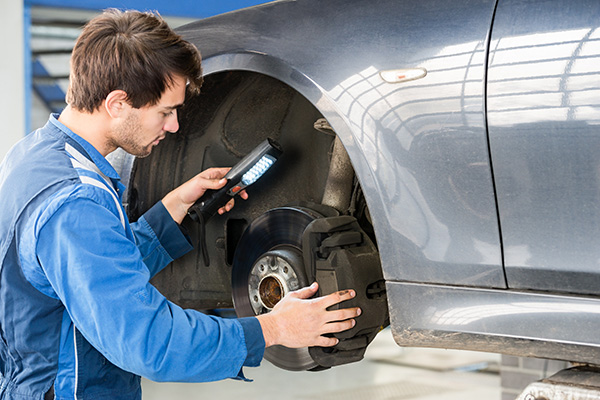
If the vehicle is already safely parked, look underneath for obvious fluid leaks and check whether a brake-system warning indicator is illuminated. Brake fluid level can also provide useful information, although simply adding fluid doesn’t identify why the level became low.
Worn brake pads, leaking hydraulic components, damaged lines, or other faults may affect braking behavior. Broader car-related discussions can introduce common maintenance concerns, but symptoms alone cannot confirm which component has failed.
| Pedal Change | Possible Issue | Safer Response |
|---|---|---|
| Soft or spongy | Hydraulic pressure problem | Arrange inspection |
| Pedal sinks | Possible fluid or master-cylinder issue | Avoid further driving |
| Hard pedal | Assistance problem possible | Have system checked |
| Pulsation | Brake component irregularity | Schedule evaluation |
Why Continuing to Drive Can Be Risky
Brake performance can deteriorate further without much warning. A pedal that still stops the car during one short trip isn’t proof that the system is safe for highway speeds, heavy traffic, or an emergency stop.
It’s easy to browse quick-reference material when troubleshooting everyday problems, but braking is one area where experimentation on public roads is a poor strategy. If pedal resistance is seriously reduced, arrange professional inspection or towing rather than repeatedly testing the car in traffic.
Common Mistakes That Make the Situation Worse
One common mistake is assuming worn brake pads explain every pedal problem. Pads can affect braking, but hydraulic leaks, contaminated fluid, air in the system, brake-booster faults, and other issues can create different pedal behavior.
Another mistake is pumping the pedal until it temporarily feels better and then continuing the trip. Temporary improvement doesn’t establish that the underlying fault has disappeared.
When Should the Vehicle Stop Being Driven?
Stop driving when the pedal goes unusually close to the floor, braking force is clearly reduced, fluid is visibly leaking, or the vehicle cannot be stopped predictably. Move to a safe location if possible and arrange assistance.
A brake warning light combined with abnormal pedal feel also deserves prompt attention. Don’t crawl underneath a vehicle on an unsecured jack or attempt brake repairs without the proper equipment and knowledge.
Frequently Asked Questions
Can low brake fluid cause a soft brake pedal?
Low fluid may accompany a leak or worn brake components and can affect hydraulic operation. The important question is why the fluid level changed, so simply topping it up shouldn’t replace a proper brake-system inspection.
Why does my brake pedal feel normal after pumping it?
Pumping may temporarily change hydraulic pressure and pedal feel in some fault conditions. That temporary change isn’t a reliable repair and shouldn’t be taken as evidence that the braking system is safe.
Can worn brake pads make the pedal travel farther?
Brake wear can influence braking behavior, but excessive pedal travel can have several causes. A technician can inspect pad thickness, hydraulic components, fluid condition, and related parts to identify the actual problem.
Make Braking Reliability the Priority
A poor brake pedal is a warning worth acting on before another drive. Pay attention to how the pedal changed, check only what can be inspected safely while parked, and avoid assuming that temporary improvement means the problem has disappeared. When braking feels weak, unpredictable, or substantially different from normal, professional inspection is the sensible next step.