
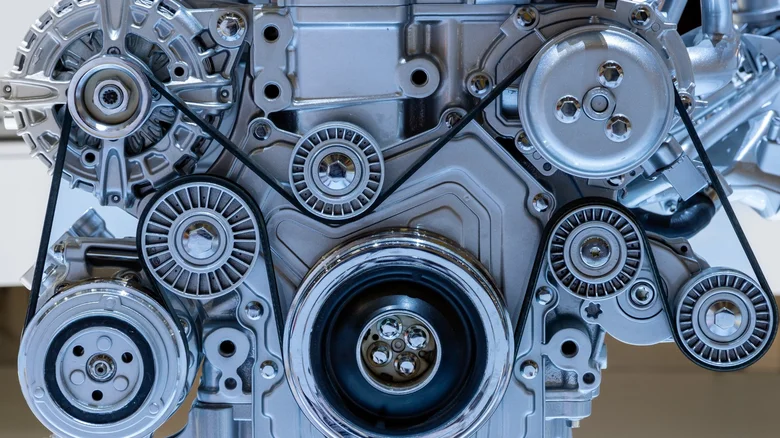
A serpentine belt can look like a simple strip of rubber, yet it often drives several components your vehicle depends on every day. Aging serpentine belts may crack, glaze, stretch, or lose grip long before they finally snap. Replacing a deteriorating belt early can prevent a minor maintenance job from turning into an inconvenient roadside breakdown.
What Happens as a Serpentine Belt Ages?
Heat, friction, engine movement, and thousands of operating cycles gradually wear the belt material. Older belts may become shiny, develop damaged ribs, or lose enough tension to slip across the pulleys.
Wear isn’t always obvious from the smooth outer surface. The ribbed side deserves close attention because missing material or damaged grooves can reduce the belt’s ability to transfer power.
Why Belt Condition Matters
A slipping or damaged belt may affect accessories such as the alternator, air-conditioning compressor, or power steering system, depending on the vehicle. Drivers researching broader vehicle maintenance resources can benefit from treating belt inspection as part of routine under-hood care rather than waiting for obvious failure.
Warning Signs You Should Pay Attention To
Squealing after startup can indicate belt slip, although belt tensioners and pulleys can create similar noises. Intermittent chirping may also appear when a pulley becomes misaligned or a belt develops uneven wear.
The information found among everyday driving topics can be useful for building awareness, but unusual belt noise should still be investigated directly. Opening the hood and assuming every squeal is “only the belt” can hide a tensioner or bearing problem.
| Belt Change | Possible Effect | Useful Response |
|---|---|---|
| Cracked ribs | Reduced strength | Arrange inspection |
| Glossy surface | Possible slipping | Check belt and tension |
| Frayed edge | Misalignment or wear | Inspect pulleys |
| Missing rib pieces | Advanced deterioration | Replace promptly |
Why Complete Belt Failure Creates Bigger Problems
Once the belt breaks, the components it drives stop turning immediately. That can mean loss of charging, reduced steering assistance on some vehicles, or overheating if the water pump depends on the serpentine belt.
Information about automotive ownership concerns often centers on major components, but inexpensive supporting parts deserve attention too. A belt that costs relatively little compared with major engine work can still disable the entire vehicle when neglected.
Don’t Ignore the Tensioner
Installing a new belt doesn’t automatically correct a weak tensioner or rough pulley bearing. If the belt repeatedly slips, tracks toward one pulley edge, or wears unusually fast, the supporting hardware should be checked as well.
Common Belt Maintenance Mistakes
One mistake is judging belt life by mileage alone. Driving conditions, engine heat, contamination, pulley condition, and belt material can all influence how quickly wear develops.
Another mistake is spraying products onto a noisy modern serpentine belt in an attempt to silence it. That may mask the symptom without correcting the cause. Proper inspection should determine whether the belt itself, tensioner, alignment, or another rotating component is responsible.
Replace the Belt Before It Forces the Decision
A belt doesn’t need to break before replacement makes sense. Visible deterioration, persistent slipping, unexplained accessory problems, or manufacturer-recommended service intervals can all justify closer attention.
If belt condition is uncertain, have the belt and its related pulleys inspected during routine service. Preventive replacement is much easier to schedule than dealing with a disabled vehicle after the belt separates on the road.
Frequently Asked Questions
How long does a serpentine belt normally last?
Service life varies by vehicle, belt construction, climate, contamination, and operating conditions. The vehicle manufacturer’s maintenance guidance is a better reference than assuming every belt should last the same number of miles.
Can I drive with a squealing serpentine belt?
A brief squeal doesn’t identify the exact problem. Persistent noise should be inspected because belt slip, weak tension, pulley alignment, or bearing wear may be involved, and continued driving could worsen the underlying issue.
Can a serpentine belt break without warning?
Yes. Some belts show cracking or fraying first, while others deteriorate less visibly. Regular inspection helps identify developing wear before failure becomes the first noticeable symptom.
Make Belt Inspection Part of Routine Service
Serpentine belts are easy to overlook because they normally work quietly in the background. Checking belt condition, tension, tracking, and related pulleys during regular maintenance gives you a chance to correct wear before accessories stop working. Replace an aging belt when its condition calls for it rather than waiting for complete failure to set the schedule.