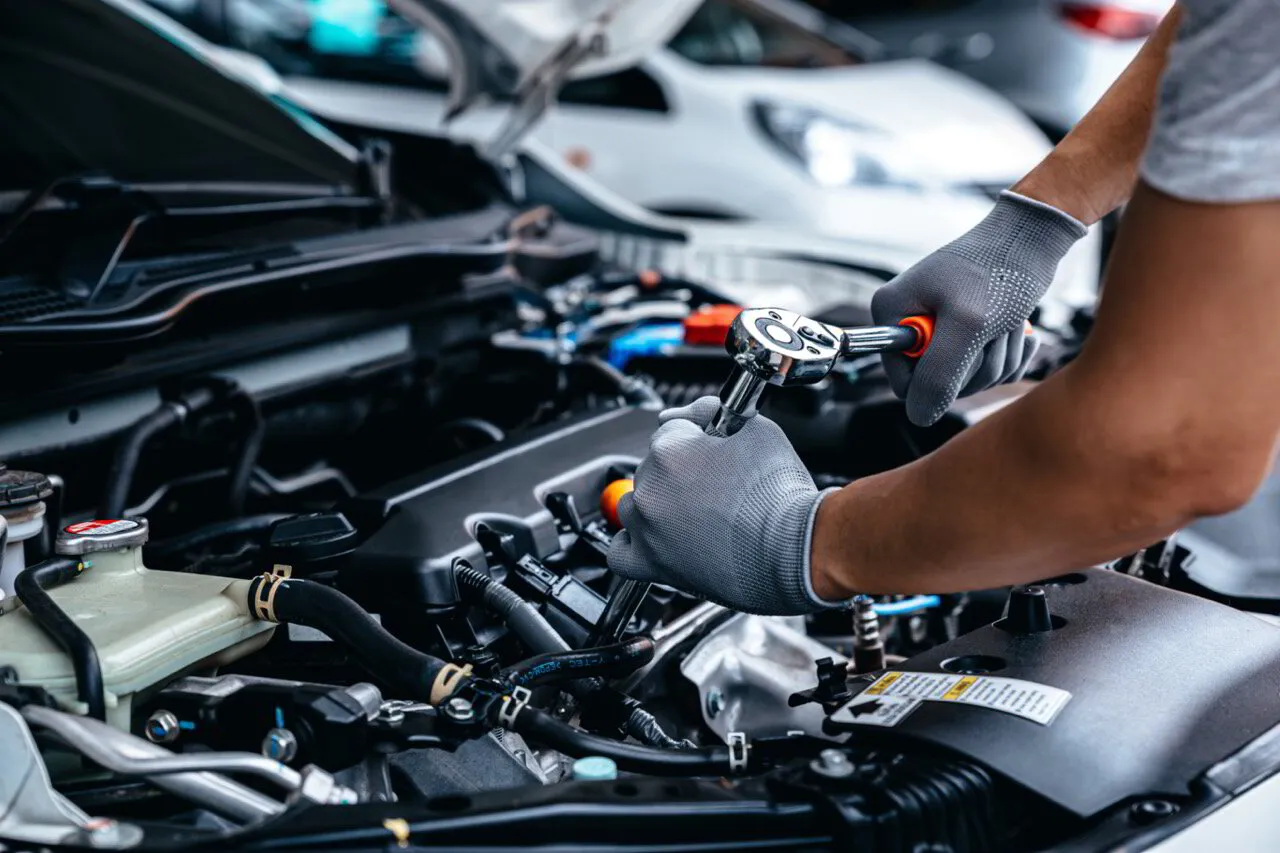
A car that hesitates, feels sluggish, or takes longer than usual to gain speed deserves attention. Poor car acceleration can develop from something as simple as restricted airflow or as serious as a fuel, exhaust, transmission, or engine problem.
The pattern matters. Notice whether the issue appears from a stop, during highway passing, while climbing hills, or only after the engine warms up.
What Does Poor Acceleration Usually Indicate?
Acceleration depends on the engine receiving the right mixture of air and fuel, producing a strong spark, and transferring power efficiently to the wheels. A weakness in any part of that chain can make the vehicle feel slow.
Pay attention to accompanying clues such as rough idling, unusual engine noise, warning lights, increased fuel consumption, or hesitation when pressing the accelerator.
Start With the Pattern
Intermittent hesitation often points technicians in a different direction than constant power loss. Recording when the problem happens can make troubleshooting faster and prevent random parts replacement.
Check Airflow and Ignition Problems
Restricted airflow can reduce engine performance. A dirty air filter, contaminated airflow sensor, or throttle-related problem may prevent the engine from responding normally when more power is requested.
Keeping notes about symptoms alongside general publishing resources or other digital records can help you describe exactly when acceleration changed instead of relying on memory during a repair visit.
Worn spark plugs or ignition components may also cause hesitation, roughness, or misfires under load. If the check-engine light is flashing, avoid continuing to drive aggressively and have the vehicle evaluated promptly.
Look at Fuel Delivery and Engine Sensors
The engine needs consistent fuel pressure and accurate electronic information. Fuel-pump problems, clogged injectors, or faulty sensors can interfere with that balance.
Drivers comparing observations through broader reading material should remember that similar symptoms can have different mechanical causes. Diagnostic trouble codes and proper testing are more useful than replacing components based only on an online description.
| Clue | Possible Area | Useful Next Check |
|---|---|---|
| Hesitation under load | Ignition or fuel | Scan and test |
| Weak high-speed power | Airflow or exhaust | Inspect restrictions |
| Rough idle with sluggishness | Engine management | Check codes |
| RPM rises without speed | Transmission | Professional inspection |
Don’t Ignore Transmission or Exhaust Clues
Not every acceleration complaint begins inside the engine. A slipping transmission can allow engine speed to rise without producing the expected increase in road speed.
A restricted exhaust system may also reduce available power, especially as engine demand increases. Descriptions saved among online editorial content can help organize your observations, but diagnosing an exhaust or transmission problem usually requires hands-on testing.
Unusual burning smells, harsh shifts, or sudden changes in engine sound deserve particular attention.
Common Troubleshooting Mistakes to Avoid
Replacing parts solely because they commonly cause poor acceleration can become expensive. A weak fuel pump, faulty airflow sensor, ignition misfire, transmission problem, and restricted exhaust can produce overlapping symptoms.
Another mistake is repeatedly clearing warning codes without recording them. Diagnostic codes don’t automatically identify the failed component, but they can provide an important starting point for testing.
Driving harder to “see if it clears up” can also worsen some mechanical problems.
Frequently Asked Questions
Can a dirty air filter cause slow acceleration?
A severely restricted air filter can reduce airflow and affect engine performance. The effect depends on the vehicle and degree of restriction, so the filter should be inspected rather than automatically blamed.
Why does my car accelerate poorly only uphill?
Climbing places the engine and transmission under greater load. Problems with ignition, fuel delivery, airflow, exhaust flow, or transmission operation may become more noticeable under those conditions.
Should I drive with a flashing check-engine light?
A flashing check-engine light can indicate a serious misfire that may damage emissions components. Reduce driving and arrange prompt professional evaluation rather than continuing normal or hard acceleration.
Get the Cause Tested Before It Spreads
Poor acceleration is a symptom, not a diagnosis. Record when it happens, watch for warning lights and unusual sounds, and start with basic maintenance checks before moving toward deeper testing.
If power loss becomes severe, appears suddenly, or comes with abnormal shifting, overheating, smoke, or a flashing warning light, have the vehicle inspected promptly. Finding the actual cause is usually cheaper than repeatedly guessing at parts.