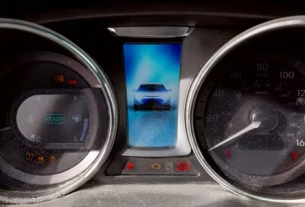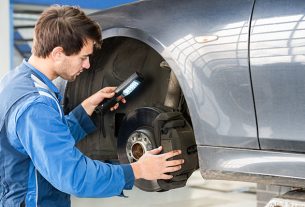
Poor vehicle cooling can turn a normal drive into an overheating problem, especially during hot weather or slow traffic. If the temperature gauge starts climbing, checking the radiator and coolant level is a sensible first step.
Cooling problems can also involve leaks, a bad thermostat, damaged hoses, cooling fans, or the water pump. Start with simple checks, but don’t ignore repeated overheating.
Start With the Coolant Level
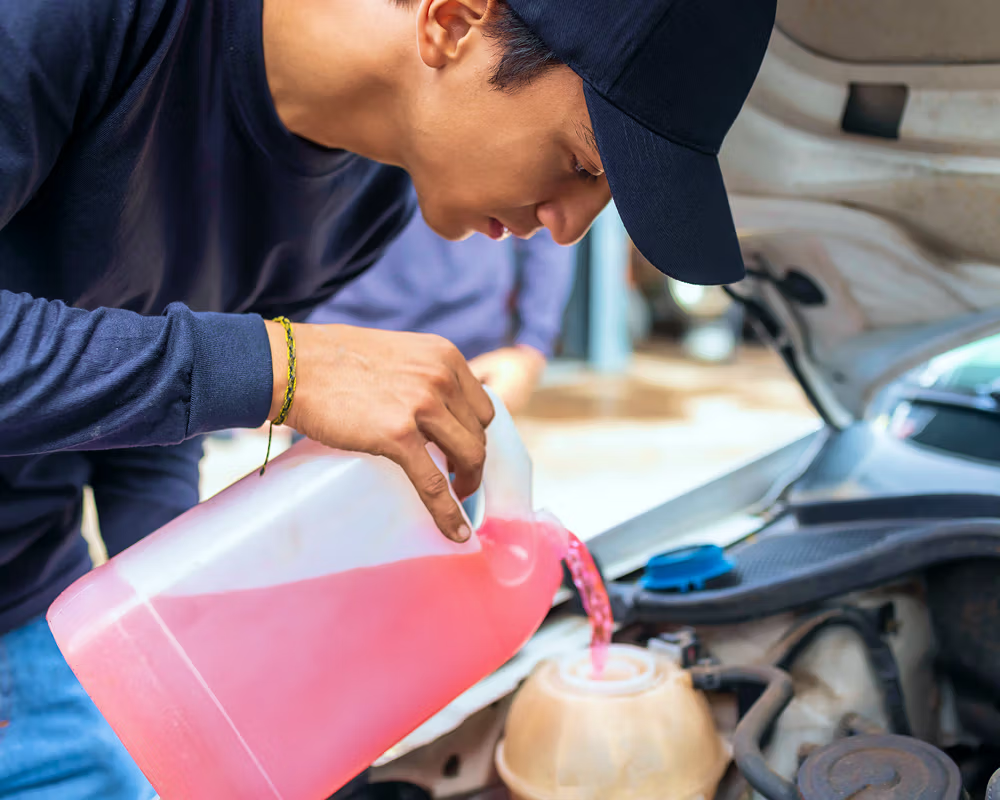
Coolant absorbs engine heat and carries it toward the radiator. When the system is low, there may not be enough fluid circulating to control engine temperature effectively.
Check the coolant reservoir only when the engine is cool. The level should normally sit between the minimum and maximum markings specified by the vehicle manufacturer.
Never remove a radiator cap from a hot engine. Pressurized coolant can spray outward and cause serious burns.
People researching mechanical problems online may encounter general reference material alongside repair discussions and manufacturer information. For actual maintenance procedures, the vehicle owner’s manual should remain the first reference.
Look for Evidence of Coolant Loss
A low reservoir isn’t something to keep topping up indefinitely. Coolant normally circulates within a closed system, so repeated loss deserves investigation.
Look underneath the parked vehicle for fresh liquid. Examine visible hoses, hose connections, the reservoir, and the area around the radiator for wet spots, staining, or dried residue.
Watch the Temperature After Refilling
If the correct coolant has been added and the temperature continues rising, stop treating low coolant as the entire explanation. Another cooling-system component may not be working correctly.
Online practical project resources can be useful for building general troubleshooting habits, but vehicle-specific specifications should come from reliable automotive documentation.
| Observation | Possible Issue | Next Check |
|---|---|---|
| Reservoir repeatedly low | Leak or coolant loss | Hoses and connections |
| Temperature rises in traffic | Fan problem possible | Cooling fan operation |
| Temperature rises quickly | Circulation issue possible | Thermostat or pump |
| Visible coolant residue | External leak possible | Source of residue |
Check Airflow Through the Radiator
The radiator also needs airflow. At highway speeds, moving air naturally passes through it. At low speeds, electric or mechanical cooling fans become much more important.
With the engine safely operating and without placing hands near moving components, unusual temperature increases during idling may point toward an airflow problem. A damaged fan, electrical issue, blocked radiator surface, or debris between cooling components can reduce heat transfer.
Broader online reading collections may help people develop better research habits, although mechanical diagnosis still depends on the particular vehicle and symptoms.
Common Cooling Mistakes to Avoid
One common mistake is assuming that adding coolant permanently fixes overheating. If coolant disappeared because of a leak, the problem can return once enough fluid escapes again.
Using an unsuitable coolant is another avoidable problem. Vehicle manufacturers specify coolant types and mixtures for a reason. Mixing incompatible products can create maintenance complications, while filling only with water may not provide the corrosion and temperature protection the system was designed to receive.
Repeated overheating also shouldn’t be treated as normal aging.
What Else Can Cause Poor Cooling?
A thermostat that fails to open can restrict coolant circulation. A worn water pump may also reduce flow, while a clogged radiator can interfere with heat transfer.
Other possibilities include a failing radiator cap, trapped air after cooling-system service, deteriorated hoses, or internal engine problems. The pattern matters: overheating only in traffic suggests a different investigation than overheating rapidly at highway speed.
Frequently Asked Questions
Should I add coolant when the engine is hot?
No. Allow the engine to cool before opening a pressurized cooling system. Hot coolant and steam can escape suddenly and cause burns.
Why does my coolant level keep dropping?
Repeated coolant loss may result from an external leak, failing component, or an internal engine problem. The source should be identified instead of relying on frequent top-ups.
Can a dirty radiator cause overheating?
Yes. Dirt, insects, leaves, or damaged fins can reduce airflow across the radiator. Internal deposits can also interfere with coolant flow and heat transfer.
Fix the Cause Before the Next Long Drive
A coolant check is a useful starting point, but it shouldn’t become a substitute for diagnosis. Verify the level when the engine is cold, inspect for obvious leaks, watch how the temperature behaves, and investigate recurring problems. If overheating continues, have the cooling system properly inspected before a minor fault develops into expensive engine damage.