Uneven tire wear usually means the tire isn’t meeting the road evenly. Alignment problems are a common cause, but tire pressure, worn suspension parts, missed rotations, and driving habits can produce similar patterns. Catching the wear early can protect handling and help prevent a usable tire from being ruined prematurely.
What Does the Wear Pattern Tell You?
Different wear patterns can point toward different problems. Excessive wear on one shoulder may suggest an alignment issue, while wear across both outer edges can occur when a tire has been driven underinflated.
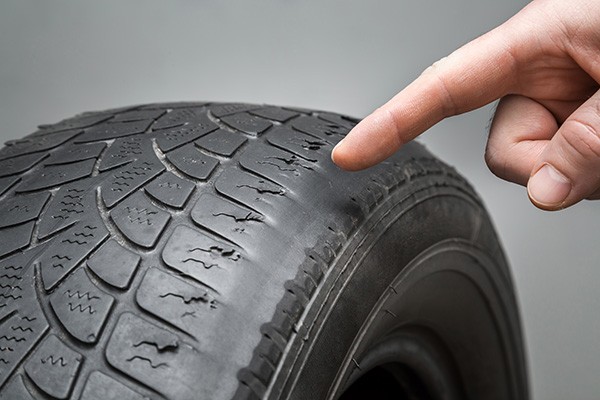
Feathered tread is another clue. Run your hand carefully across the tread when the vehicle is parked and the tires are cool. If the tread feels smoother in one direction and sharper in the other, incorrect toe alignment may be involved.
People comparing maintenance explanations online may encounter practical reading ideas alongside repair guides and owner discussions, but the actual tire pattern should guide what gets inspected.
How Alignment Changes Tire Contact
Wheel alignment controls the angles at which the wheels sit relative to the vehicle and road. Toe describes whether the tires point slightly inward or outward, while camber concerns the inward or outward tilt viewed from the front.
Even a relatively small alignment problem can make one section of tread work harder than another over many miles. General everyday automotive references may help explain common maintenance terms, but an alignment rack provides the measurements needed for a specific vehicle.
| Wear Pattern | Possible Connection | Useful Check |
|---|---|---|
| One-edge wear | Camber or suspension | Alignment inspection |
| Feathered tread | Toe setting | Alignment measurement |
| Both-edge wear | Low pressure | Check inflation |
| Patchy wear | Balance or suspension | Tire and chassis inspection |
Check More Than the Alignment
An alignment adjustment won’t permanently solve the problem if worn components allow the wheel to move afterward. Ball joints, tie rods, control-arm bushings, wheel bearings, and damaged suspension parts can affect how a tire contacts the pavement.
Tire rotation matters too. Front and rear tires may carry different loads and experience different steering or acceleration forces. Drivers browsing general driving resources may see many maintenance schedules, but the vehicle manufacturer’s rotation guidance should take priority.
Inspect Pressure Before Assuming the Worst
Check tire pressure against the vehicle manufacturer’s recommended cold pressure, normally shown on the driver’s door-jamb label or owner’s manual. Don’t use the maximum pressure printed on the tire sidewall as the normal inflation target.
Common Mistakes That Waste Tires
Replacing tires before identifying why they wore unevenly can become expensive. A new tire installed on a vehicle with unresolved alignment or suspension trouble may begin developing the same pattern.
Another mistake is assuming an alignment automatically fixes existing tread damage. Alignment can correct wheel angles, but it can’t restore rubber that has already worn away. Severe irregular wear may still require tire replacement after the mechanical cause is corrected.
Know When the Vehicle Needs Inspection
Have the vehicle checked when the steering wheel sits off-center on a straight road, the vehicle consistently pulls, new tires begin wearing unevenly, or irregular wear becomes noticeable during routine checks.
Sudden vibration, exposed cords, bulges, major tread damage, or a tire that repeatedly loses pressure deserves quicker attention. Avoid continuing normal driving on a tire that appears structurally unsafe.
Frequently Asked Questions
Can bad alignment ruin new tires quickly?
Yes. Incorrect wheel angles can concentrate wear on certain areas of the tread. Correcting alignment soon after noticing pulling, an off-center steering wheel, or unusual wear can help protect newer tires.
Does tire rotation fix uneven tire wear?
Rotation can redistribute normal wear, but it doesn’t repair alignment, inflation, balance, or suspension problems. Find and correct the underlying cause before expecting rotation to solve an established wear pattern.
Should alignment be checked after replacing tires?
It can be worthwhile when old tires showed uneven wear or the vehicle has steering symptoms. Proper alignment helps new tires begin service with more consistent road contact.
Protect the Tires Before Wear Gets Worse
Treat unusual tread wear as information rather than something to ignore until replacement time. Check pressure, inspect the tread regularly, follow rotation recommendations, and have alignment and suspension components evaluated when the pattern suggests a mechanical problem. Fixing the cause early can improve predictable handling and prevent the next set of tires from repeating the same damage.