A new brake noise deserves attention because the sound can be an early warning of wear, contamination, or a mechanical problem. Noisy car brakes don’t always mean immediate failure, but squealing, scraping, grinding, or clicking should never become background noise. Pay attention to when the sound happens and whether braking performance has changed.
What Different Brake Noises May Indicate
Brake sounds can offer useful clues. A high-pitched squeal may come from a wear indicator, surface contamination, moisture, or vibration around the brake pads. A grinding sound is more concerning because heavily worn friction material may allow harder components to contact each other.
Timing matters too. Noise heard only during the first few stops after rain may disappear once the braking surfaces dry, while a sound that returns every time you press the pedal deserves closer inspection.
Listen for Changes, Not Just Volume
A quiet sound that becomes progressively louder can matter more than one brief squeak. Drivers reviewing general reading material alongside maintenance notes should still treat the vehicle itself as the most useful source of clues.
Notice whether the noise occurs during light braking, hard braking, turning, reversing, or driving over uneven pavement.
Inspect Wear Before It Spreads
Brake pads are designed to wear over time. Once the friction material becomes too thin, braking components can experience greater heat and unwanted contact.
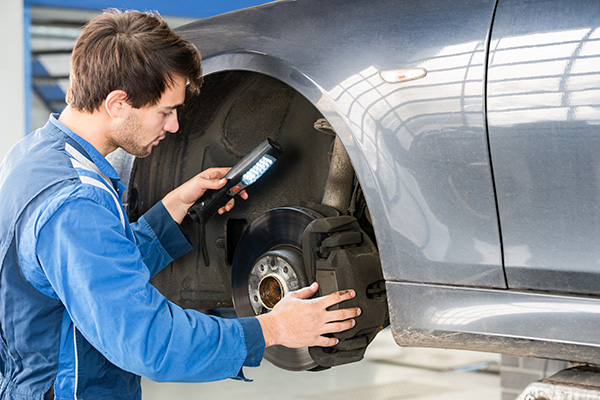
A visual inspection can reveal pad thickness, uneven wear, damaged hardware, or unusual rotor surfaces. General shared writing resources may help organize maintenance research, but an actual brake inspection is what determines the condition of the vehicle.
| Brake Clue | Possible Pattern | Best Response |
|---|---|---|
| Light squealing | Moisture or pad vibration | Monitor and inspect |
| Repeated scraping | Wear or debris | Schedule inspection |
| Grinding | Severe wear possible | Stop delaying service |
| Clicking | Loose or shifting part possible | Have hardware checked |
Pay Attention to How the Pedal Feels
Sound should never be evaluated by itself. A brake pedal that feels softer than usual, travels farther, pulses strongly, or requires noticeably more effort can point to a problem that deserves prompt attention.
Vehicle owners sometimes browse a deeper content archive while comparing possible causes. That research can help form questions, but braking feel, warning lights, fluid leaks, and stopping behavior should guide the urgency of inspection.
Check for Other Warning Signs
Look for a brake warning light, unusual vibration, pulling during braking, burning smells, or visible fluid near a wheel. Any combination of these symptoms makes continued driving harder to justify.
Common Brake Mistakes That Create Bigger Repairs
One mistake is assuming that noise can wait as long as the vehicle still stops. Brakes often continue working while wear is progressing, and delaying service can allow a relatively limited repair to affect rotors, hardware, or other components.
Another mistake is spraying random lubricants or cleaners around braking surfaces. Friction components must remain free from substances that could reduce braking performance.
When Should You Stop Driving?
If braking ability suddenly decreases, the pedal behaves abnormally, you notice a significant fluid leak, or grinding is accompanied by poor stopping performance, continuing the trip may be unsafe. Pull over in a safe location when possible and arrange professional help.
Persistent brake noise without obvious performance loss still deserves inspection soon. Waiting for the sound to become severe removes the advantage of catching the problem early.
Frequently Asked Questions
Why do my brakes squeak only in the morning?
Light surface moisture or temporary rust on braking surfaces can produce brief noise after a vehicle sits overnight. If the sound disappears after several normal stops, it may be temporary. Persistent or worsening squealing should be inspected.
Can worn brake pads cause grinding?
Yes. Severely worn pads can allow harder backing material or other components to contact the rotor. Grinding deserves prompt inspection because continued driving may reduce braking performance and increase repair costs.
Should new brakes make noise?
Some temporary noise can occur as new components settle, but persistent squealing, scraping, vibration, or poor braking should not be ignored. The installer should inspect the system if the noise continues or performance feels different.
Inspect the Problem Before It Becomes Expensive
Brake noise is most useful when you treat it as an early signal instead of waiting for obvious failure. Note the type of sound, when it occurs, and any changes in pedal feel or stopping behavior. A timely inspection can identify ordinary wear before it damages additional parts or creates a more serious safety concern.