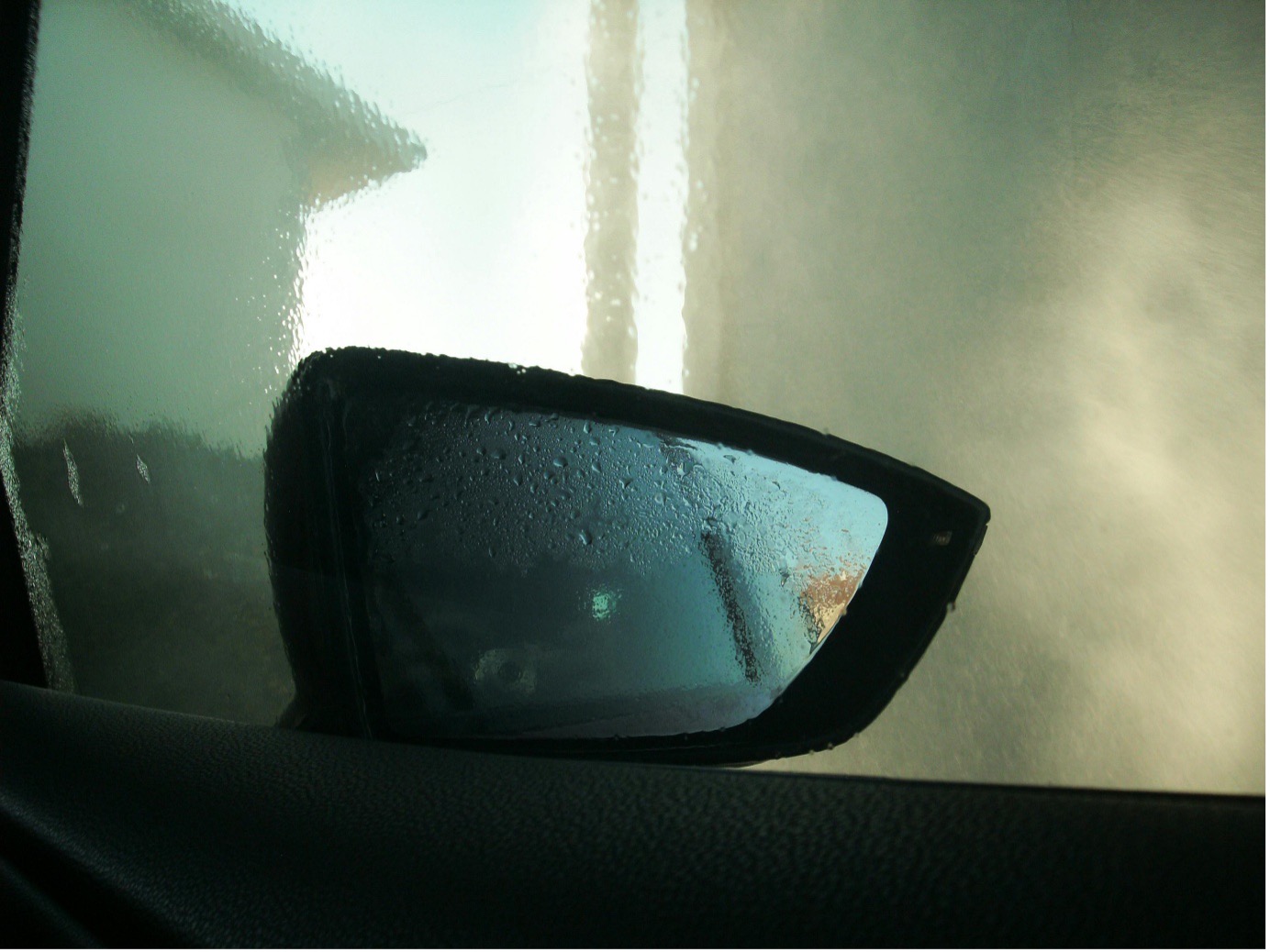
Fogged windows can turn a routine drive in rain into a visibility problem within minutes. Foggy car windows usually form when warm, moist air meets cooler glass, causing water vapor to condense on the surface. The fastest fix is controlling moisture, airflow, and glass temperature rather than repeatedly wiping the windshield.
Why Car Windows Fog During Wet Weather
People breathing inside a closed vehicle constantly add moisture to cabin air. Wet jackets, umbrellas, floor mats, snow, and damp carpeting add even more.
The temperature difference matters too. During cool rain, the windshield may be considerably colder than the air inside the cabin. Once humid interior air touches that cold glass, condensation becomes visible.
| Situation | What Happens | Useful Response |
|---|---|---|
| Cool rain | Interior moisture condenses | Use defrost airflow |
| Wet passengers | Cabin humidity rises | Bring in outside air |
| Dirty glass | Moisture clings unevenly | Clean the glass |
| Damp carpet | Humidity keeps returning | Find the moisture source |
Use Your Climate Controls More Effectively
Select the windshield defrost or defog setting and direct strong airflow toward the glass. Turning on the air conditioner can help because an A/C system removes moisture from circulating cabin air even when warm air is being used.
Recirculation can make the problem worse if the cabin is already humid. Switching to fresh outside air usually helps exchange moisture-heavy cabin air for drier air. Drivers browsing general automotive coverage may encounter many quick tricks, but the basic moisture-and-temperature approach remains the practical starting point.
Adjust Temperature Gradually
A moderate temperature is often enough. You don’t necessarily need maximum heat unless conditions demand it.
If the outside of the windshield begins misting instead, windshield wipers may clear it because that moisture is forming on the exterior surface rather than inside the cabin.
Remove Moisture That Keeps Returning
Persistent fogging may have less to do with weather and more to do with trapped water. Feel the floor mats and carpet after rain, especially around door openings and the front passenger footwell.
A leaking door seal, blocked drain, wet upholstery, or repeatedly stored rain gear can keep humidity high long after the storm passes. Broader daily information outlets may discuss seasonal driving concerns, but checking the actual cabin for moisture often reveals problems that ventilation alone cannot solve.
Remove wet items when practical and allow damp carpeting to dry thoroughly.
Keep the Interior Glass Clean
Windshield haze isn’t always pure condensation. Dust, smoke residue, fingerprints, plastic off-gassing, and cleaning-product residue can leave a film that makes moisture spread irregularly across the glass.
Clean the inside windshield with a suitable automotive glass cleaner and a clean microfiber cloth. Looking through online reading publications may produce plenty of home remedies, yet products that leave oily residue can create additional glare at night.
Finish with a dry cloth so streaks aren’t waiting for the next rainy drive.
Mistakes That Make Fogging Worse
Wiping the windshield with your hand can create a temporarily clear patch, but skin oils often leave streaks that become more noticeable under headlights. Closing every vent and leaving recirculation running can also trap moisture.
Another mistake is driving before enough of the windshield is clear. A small viewing area isn’t adequate when intersections, pedestrians, lane markings, mirrors, and vehicles can appear from several directions. Restore usable visibility before moving.
Frequently Asked Questions
Why do my car windows fog even with the heater on?
Heat alone doesn’t necessarily remove enough moisture. Direct airflow toward the windshield, use the A/C system if available, and switch from recirculated air to fresh outside air.
Should I use hot or cold air to defog a windshield?
The best setting depends on conditions, but controlled airflow and moisture removal matter most. Defrost mode commonly combines windshield airflow with climate-control functions designed to clear condensation.
Why does my windshield keep fogging every morning?
Repeated fogging may result from cool glass combined with naturally humid cabin air. Damp carpets, wet clothing, water leaks, or dirty interior glass can make the problem more persistent.
Clear the Glass Before You Drive
Treat fogging as a moisture-management problem rather than something to wipe away after it appears. Use defrost airflow, reduce cabin humidity, clean the windshield, and investigate persistent dampness. Most importantly, don’t start driving while condensation still blocks meaningful portions of your view. Clear glass gives you more time to see hazards and respond safely.