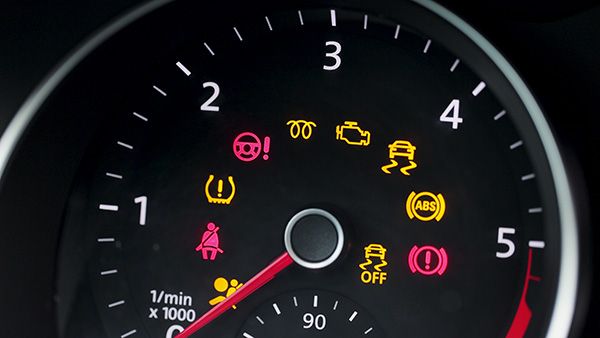
Dashboard warning lights are designed to flag problems before they become harder or more expensive to manage. A light that stays on, returns repeatedly, or appears while driving deserves attention rather than another reset. Some warnings signal routine maintenance, while others can point to conditions that make continued driving risky.
Start by Identifying the Warning Correctly
Color and symbol matter. A maintenance reminder is different from an oil-pressure warning, brake-system alert, charging-system light, or high-temperature warning. Check the vehicle owner’s manual because symbols and meanings can vary by manufacturer.
People often search broader reading habits while researching unfamiliar topics online, but vehicle-specific information should begin with the manufacturer’s manual. Write down when the light appeared, whether it flashes, and what the vehicle was doing at the time.
Notice Changes Beyond the Light
Listen for knocking, grinding, squealing, rough running, or unusual fan noise. Pay attention to reduced power, harder steering, vibration, smoke, unusual smells, or rising temperature.
Those details can help separate a simple sensor-related alert from a problem that needs faster inspection.
Know Which Warnings Should Change Your Plans
Some dashboard alerts shouldn’t be treated as “drive now, investigate later.” An oil-pressure warning, serious overheating indication, or major brake warning can justify stopping somewhere safe and arranging assistance.
Never remove a radiator or coolant-system cap while the engine is hot. Continuing to drive an overheating or poorly lubricated engine can turn a manageable fault into major mechanical damage.
| Warning Pattern | Possible Meaning | Practical Response |
|---|---|---|
| Steady maintenance light | Scheduled service | Check service interval |
| Flashing engine light | Active engine fault | Reduce driving and inspect |
| Temperature warning | Engine overheating | Stop safely |
| Oil-pressure warning | Low oil pressure | Shut engine off safely |
Drivers comparing general explanations through digital reference browsing should remember that the same-looking symbol may have different instructions between models.
Check Simple Causes Without Guessing at Repairs
Before replacing parts, inspect straightforward items that can be checked safely. A loose fuel cap may trigger an emissions-related warning on some vehicles. Low washer fluid, tire-pressure changes, or overdue maintenance can also produce alerts.
Use daily topic browsing for general reading if you like, but don’t buy a sensor simply because an online discussion mentions one. Diagnostic trouble codes identify systems or conditions; they don’t automatically prove which component has failed.
Build a Better Diagnostic Trail
Record the warning, mileage, weather, recent repairs, fuel purchase, and any noticeable symptoms. If you have access to an appropriate scan tool, retrieving stored trouble codes can give a technician a more useful starting point.
Clearing a code immediately can erase information that helps diagnosis. If the light returns, the underlying condition probably hasn’t been solved simply because the dashboard temporarily looks normal.
Where Dashboard Troubleshooting Often Goes Wrong
A common mistake is treating every warning as either harmless or catastrophic. Both reactions can waste money. Replacing parts without testing may create an expensive guessing game, while repeatedly ignoring a warning can allow a small issue to worsen.
Another mistake is focusing only on the light. A vehicle that suddenly loses power, overheats, smells like burning material, or develops abnormal braking behavior needs attention based on the symptoms as well as the dashboard symbol.
Frequently Asked Questions
Why does my dashboard warning keep coming back after reset?
Resetting a warning usually removes the visible alert or stored code temporarily. If the condition that triggered it remains, the vehicle’s monitoring system may detect it again during later driving.
Can a weak battery cause several warning lights?
Low system voltage can sometimes create multiple electrical warnings or unusual electronic behavior. Battery condition, charging output, terminals, and related wiring may need testing before separate dashboard faults are assumed.
Is it safe to drive with the check engine light on?
It depends on the warning pattern and vehicle behavior. A steady light without other symptoms may allow limited driving, while a flashing light, severe power loss, overheating, or abnormal operation deserves faster attention.
Address the Cause, Not the Dashboard
A warning light is most useful when you treat it as information rather than an annoyance. Identify the symbol, notice accompanying symptoms, check safe basics, and preserve diagnostic details before resetting anything. If a serious warning appears or the vehicle begins behaving abnormally, reduce the risk of a breakdown by arranging proper inspection instead of waiting for the problem to become obvious.