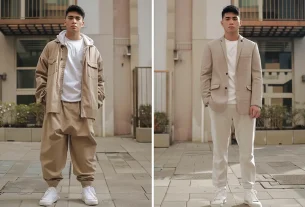
Oversized clothing can look intentional on a petite frame, but only when the proportions are controlled. The problem starts when long hems, dropped shoulders, and excess fabric hide the body’s natural outline at the same time. Better petite styling keeps some structure visible so relaxed pieces look designed rather than simply too large.
Why Oversized Pieces Can Overwhelm a Petite Frame
Petite proportions are affected by scale more than by clothing size alone. A roomy jacket that extends far below the hips can visually shorten the legs, especially when paired with wide trousers or bulky shoes.
That doesn’t mean every oversized item should be avoided. The stronger approach is to make one loose piece the focal point while keeping another part of the outfit more defined.
Look at Length Before Width
A slightly wide sweater may work well if the hem stops near the waistband. The same sweater can feel overwhelming when it extends halfway down the thighs.
Length also matters with coats, shirts, and blazers. Petite shoppers browsing fashion coverage and ideas can use outfit photos as inspiration, but garment proportions still need to be judged against individual height and body balance.
Create One Clear Point of Definition
Definition gives the eye somewhere to recognize the body’s shape. A visible waist, fitted shoulder line, exposed wrist, or clean ankle break can keep an outfit from becoming one large block of fabric.
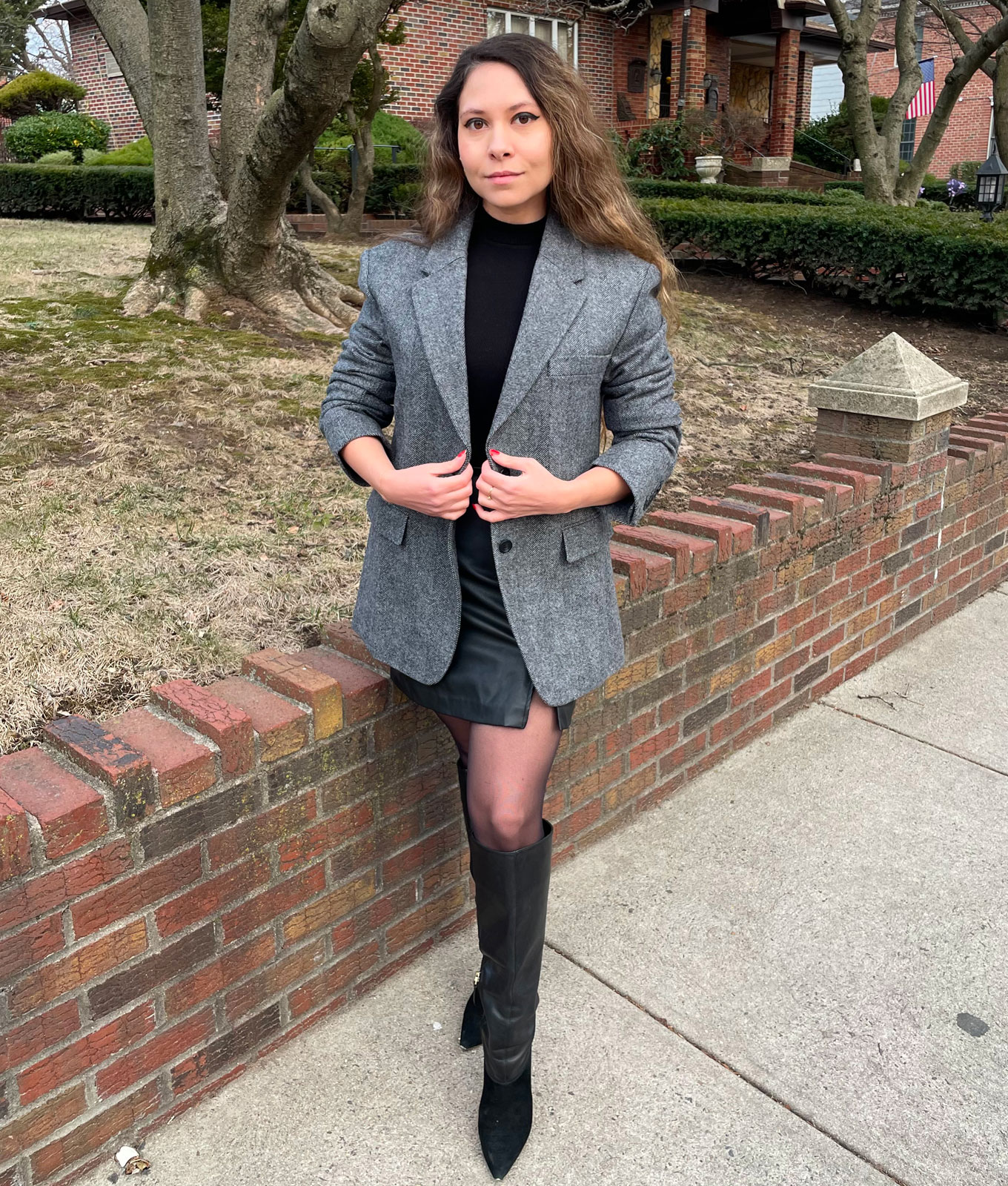
Try a roomy button-down tucked partly into straight jeans, or wear an oversized blazer over a fitted knit. These small contrasts usually matter more than trying to make every garment slim.
| Problem | What Happens Visually | Better Direction |
|---|---|---|
| Long oversized top | Legs appear shorter | Use a shorter hem or tuck |
| Wide top and bottom | Shape disappears | Define one half |
| Heavy layering | Frame looks crowded | Reduce bulk |
| Extra-long sleeves | Fit appears accidental | Alter or cuff sleeves |
Use Vertical Lines Without Making Everything Tight
Petite dressing benefits from uninterrupted visual lines. High-rise trousers, open jackets, column-style outfits, and similar tones can create length without requiring close-fitting clothing.
Ideas from personal style references can help identify silhouettes worth testing. Pay attention to where horizontal breaks occur, because several strong breaks at the waist, hip, knee, and ankle can visually divide a shorter frame.
A long coat can even work beautifully when its shape is narrow enough and the outfit underneath remains clean. Oversized doesn’t automatically mean wide in every direction.
Keep Accessories in Conversation With the Outfit
Large accessories can work, but several exaggerated pieces compete with a petite frame. An oversized tote, thick scarf, broad sunglasses, and chunky footwear together may produce more visual weight than the clothing needs.
Beauty styling can affect the overall impression too. When exploring makeup and appearance inspiration, consider the clothing silhouette at the same time. Strong accessories or makeup can complement a simple oversized outfit more effectively than adding multiple statement elements.
Where Petite Styling Often Goes Wrong
A common mistake is buying smaller clothing and assuming that automatically creates petite proportions. Standard garments in a smaller size may still have shoulders, rises, sleeves, and hems positioned for a taller body.
The opposite mistake is rejecting every loose silhouette. Petite dressing doesn’t require constant body-hugging clothes. Volume can look polished when its length, placement, and surrounding pieces create enough definition.
Frequently Asked Questions
Can petite women wear oversized blazers?
Yes. Look for manageable shoulder width and a hem that doesn’t dominate the legs. Pairing the blazer with a fitted or tucked top and relatively clean trousers can keep the outfit balanced.
Are cropped clothes always better for petite frames?
No. Cropped pieces often help reveal the waist and lengthen the lower body visually, but longer garments can also work when their shape is controlled and the outfit has a clear vertical line.
Do petite outfits need high heels?
No. Pointed flats, low-profile sneakers, loafers, and boots can all work. Maintaining sensible trouser length and avoiding unnecessary visual bulk around the ankle often matters more than heel height.
Build Around Proportion, Not Restriction
Petite style becomes easier when oversized clothing is treated as a proportion choice rather than a trend that must be copied exactly. Choose where the volume will sit, preserve one area of definition, and pay close attention to garment length. Once those elements are controlled, relaxed silhouettes can feel modern, comfortable, and completely intentional.