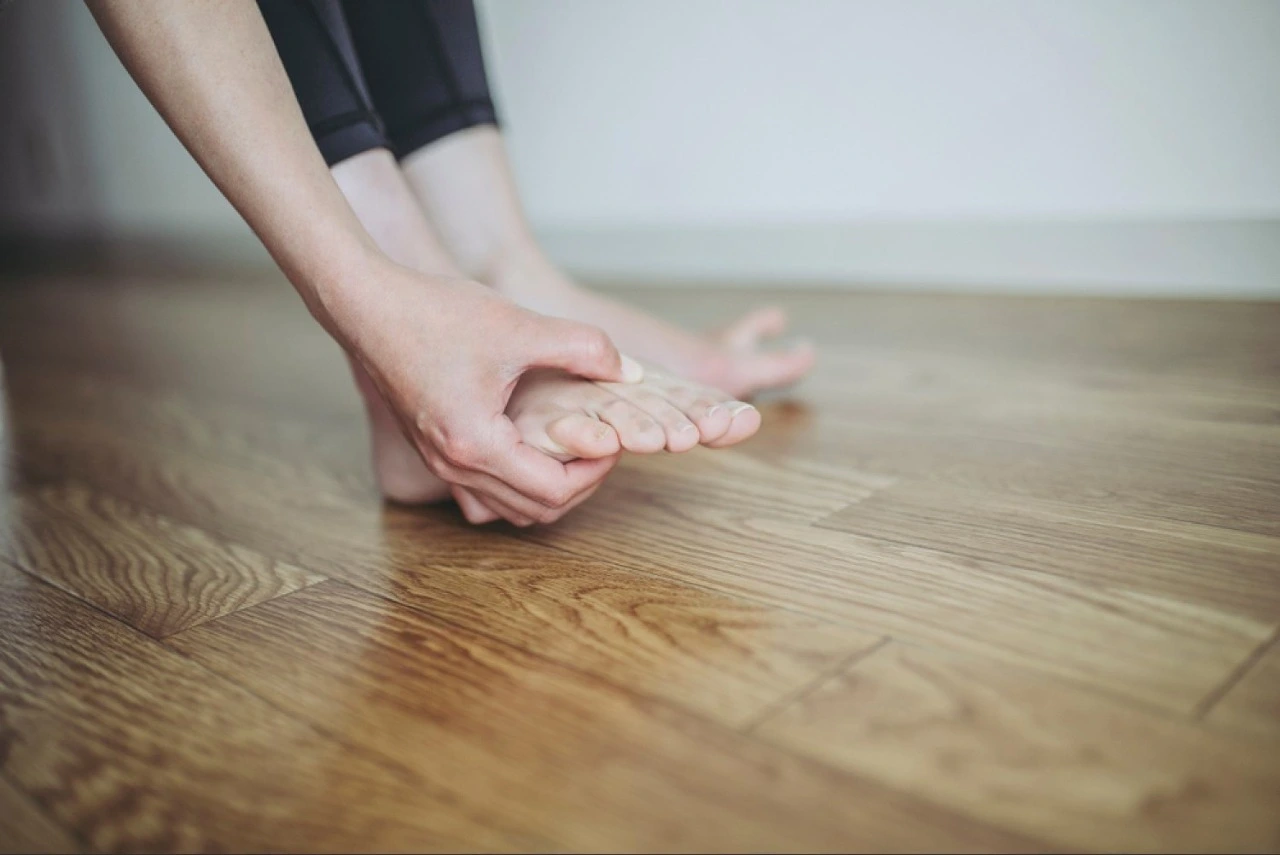
Persistent foot problems can quietly change the way a person walks, stands, and handles everyday tasks. Ongoing pain, stiffness, numbness, swelling, or changes in foot shape deserve attention because compensating for discomfort can gradually affect balance and mobility.
Proper care starts with identifying the problem rather than simply tolerating it or buying softer shoes.
How Foot Problems Can Affect Everyday Movement
Feet provide the base for standing and walking. Pain in the heel, arch, toes, or forefoot may cause shorter steps, reduced activity, or an uneven walking pattern.
Someone who normally walks to the mailbox may begin avoiding the trip because each step hurts. Over time, less movement can make maintaining strength and confidence more difficult.
While browsing general wellness perspectives may introduce broader self-care ideas, persistent foot symptoms still need to be assessed according to their actual cause.
Start With Fit, Support, and Foot Condition
Shoes should fit securely without squeezing the toes or allowing the heel to slide excessively. Worn soles, narrow toe boxes, and unstable footwear can make an existing problem more uncomfortable.
Check the feet regularly for blisters, pressure spots, cracks, swelling, changes in color, or areas that feel unusually warm or numb. People who have difficulty inspecting their feet may benefit from help from a caregiver or clinician.
Information found among everyday health reading can be useful for generating questions, but online material cannot determine whether pain comes from footwear, arthritis, nerve changes, injury, or another condition.
| Foot Change | Possible Effect | Useful Response |
|---|---|---|
| Ongoing pain | Shorter or guarded steps | Arrange evaluation |
| Numbness | Reduced awareness of pressure | Inspect feet carefully |
| Poor shoe fit | Rubbing or instability | Recheck footwear |
| Swelling | Tightness and limited motion | Identify the cause |
Protect Mobility Instead of Avoiding Movement
Rest may be sensible after an acute injury, but permanently reducing normal activity because of recurring discomfort can create a different problem. The goal is to make movement safer and more comfortable when medically appropriate.
A clinician, podiatrist, or physical therapist may assess gait, footwear, ankle movement, strength, and specific foot conditions. Exercises or footwear changes should fit the individual problem rather than being selected from symptoms alone.
People comparing broader wellness material with other online resources should keep clinical decisions separate from general reading. Foot pain can have many causes, and the useful intervention depends on what is actually happening.
Why Buying New Shoes Isn’t Always Enough
One common mistake is assuming every persistent foot problem is caused by footwear. Better-fitting shoes can reduce pressure and improve stability, but they won’t correct every source of pain, numbness, inflammation, or structural change.
Another mistake is repeatedly walking through significant pain in the hope that the foot will simply adapt. Symptoms that continue, worsen, or alter normal walking deserve a closer look rather than endless experimentation with insoles and shoes.
When Should Foot Problems Be Checked Promptly?
Seek medical attention for severe or rapidly worsening pain, an inability to bear weight, significant swelling after an injury, an open wound, spreading redness, or a foot that becomes unusually cold, pale, or discolored.
People with reduced sensation, circulation concerns, or conditions that affect foot healing may need especially careful monitoring. CDC guidance also notes the connection between foot problems, footwear, mobility, and fall risk in older adults.
Frequently Asked Questions
Can chronic foot pain change the way someone walks?
Yes. People often shorten their stride, shift weight away from a painful area, or avoid certain movements. Persistent changes in gait may place additional strain on other parts of the body and deserve evaluation.
Should older adults inspect their feet regularly?
Regular observation can help identify pressure areas, skin damage, swelling, or other changes early. Anyone who cannot see or reach their feet comfortably may need assistance with routine checks.
Are supportive shoes enough for every foot problem?
No. Proper footwear can improve comfort and stability, but persistent symptoms may result from arthritis, injury, nerve problems, deformity, circulation issues, or other causes that require specific assessment.
Keep Comfortable Movement a Priority
Foot discomfort becomes more important when it starts changing normal movement. Pay attention to patterns, check footwear and skin condition, and arrange professional evaluation when symptoms persist or interfere with walking.
Addressing persistent foot problems early may make it easier to preserve safe, confident mobility instead of gradually organizing daily life around pain.
This article is for general informational purposes and is not a substitute for professional medical advice, diagnosis, or treatment.