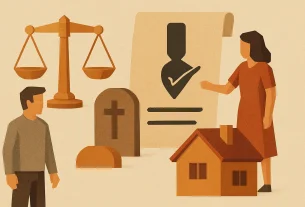
A will can express who should receive property, but it doesn’t control every asset. Asset transfer issues often develop because deeds, account titles, beneficiary forms, and ownership records no longer match the broader estate plan. Fixing those conflicts during life is usually easier than leaving family members to resolve them after death.
Start With How Each Asset Is Legally Owned
Ownership determines how many assets transfer. A house held solely in one person’s name may be handled differently from property held jointly with survivorship rights. Retirement accounts and life insurance can follow beneficiary designations rather than instructions in a will.
The American Bar Association explains that beneficiary designations, joint ownership, and similar arrangements may control non-probate assets separately from a will. ABA estate-planning guidance
Build an Ownership Inventory
List real estate, financial accounts, business interests, vehicles, insurance policies, retirement benefits, and valuable personal property. Record the current owner and any named beneficiary for each item.
People doing broader research may also encounter independent legal reading while organizing their questions. Online material can provide context, but ownership changes should be checked against applicable state law and the actual account or title documents.
Coordinate Beneficiary Designations With the Plan
Beneficiary forms deserve the same attention as a will. An old designation naming a former spouse, deceased relative, or unintended recipient can create a result that differs sharply from current intentions.
A practical review compares every beneficiary-controlled account with the rest of the estate documents. General web-based legal material may raise useful planning questions, but the governing plan depends on valid documents rather than assumptions about what a will overrides.
| Asset | Document to Check | Potential Issue |
|---|---|---|
| Real estate | Deed | Wrong ownership form |
| Retirement account | Beneficiary form | Outdated beneficiary |
| Bank account | Title/POD form | Unexpected survivor |
| Business interest | Operating agreement | Transfer restriction |
Complete Transfers Rather Than Merely Planning Them
Creating a trust or signing an estate plan doesn’t automatically retitle every asset. If a plan requires certain property to be owned by a trust, additional deeds, assignments, or financial-institution paperwork may be necessary.
Keep proof of completed changes with the estate records. Someone comparing documents with general online reference material should still verify the final ownership directly through the institution, title record, deed, or governing company document.
Where Asset Planning Commonly Breaks Down
One mistake is assuming that signing a new will automatically changes account ownership. Another is adding a joint owner merely for convenience without understanding what rights that person may receive.
Transfers can also create tax, creditor, Medicaid-planning, business, or family-law consequences depending on the property and jurisdiction. Changing ownership therefore shouldn’t be treated as a simple paperwork exercise when substantial assets or competing beneficiaries are involved.
When Should You Get Legal Help?
Consider estate-planning counsel when transferring real estate, changing ownership of a business, dealing with blended-family interests, coordinating trusts, or handling assets in multiple states. Professional review is also sensible when documents conflict or you’re unsure whether survivorship or beneficiary rights override another provision.
State-specific advice matters because property, probate, marital, and trust laws differ significantly.
Frequently Asked Questions
Does a will automatically transfer every asset?
No. Assets controlled by beneficiary designations, certain joint ownership arrangements, trusts, and other contractual mechanisms may transfer outside the will.
Should ownership records be reviewed after signing a trust?
Yes. A trust may not control property that was never properly transferred or otherwise connected to it. Review funding instructions and institutional records.
Can adding someone to an account affect inheritance?
It can. Depending on the account structure and state law, adding another owner may create survivorship or other ownership rights that affect what happens after death.
Make Ownership Match Your Intentions
An estate plan works best when the documents and the actual ownership records tell the same story. Review deeds, account titles, beneficiary forms, and business records while changes can still be made deliberately. Where a transfer has legal or tax consequences, obtain advice before signing rather than leaving the issue for heirs to untangle later.
This article provides general legal information and is not a substitute for advice from a qualified attorney in your jurisdiction.