Exterior plastic trim can survive years of heat, road spray, washing, and vibration, but once a crack starts, it rarely stays the same size. Repairing exterior plastic cracks early can keep a small split from becoming a broken mounting point, loose panel, or missing trim piece.
The right repair depends on whether the damage is cosmetic or structural. Brittle plastic, broken clips, and cracks near fasteners need more care than a light surface split.
Why Exterior Plastic Starts Cracking
Plastic trim expands in heat and contracts as temperatures fall. Repeated cycles can make older material less flexible, especially when sunlight has already dried and faded the surface.
Impacts are another common cause. Shopping carts, road debris, pressure from incorrect removal, and over-tightened screws may create tiny fractures that spread later. Owners browsing broader automotive ownership topics may notice that exterior deterioration often develops from several small stresses rather than one major event.
Look closely around screw holes, clips, corners, and narrow sections. These areas concentrate stress and are often where a crack begins moving.
Decide Whether the Part Can Be Repaired
A clean crack in an otherwise solid piece may be repairable. A part that has become chalky, severely warped, or fragmented may be better replaced because the surrounding plastic may no longer hold a repair reliably.
Remove dirt before judging the damage. General vehicle maintenance references can be useful for comparing trim layouts and related exterior components, but the condition of the actual plastic should guide the repair choice.
| Damage Type | Likely Approach | Main Concern |
|---|---|---|
| Hairline crack | Plastic repair adhesive | Crack spreading |
| Split near clip | Reinforcement and repair | Mounting strength |
| Missing fragment | Replacement may be easier | Poor fit |
| Brittle trim | Replace damaged piece | Future cracking |
Repair Small Cracks Before They Spread
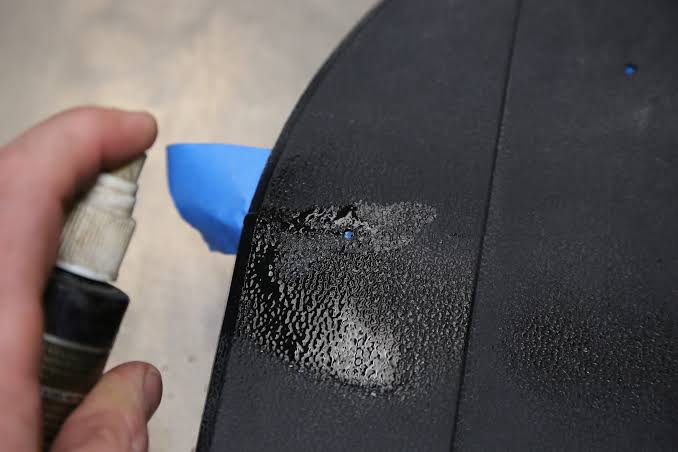
Wash the area with mild automotive soap, rinse it, and let it dry completely. Avoid leaving wax, dressing, or oily residue around the repair because many adhesives need a clean surface to bond correctly.
For a removable piece, working from the back often produces a cleaner result. Owners who read general practical maintenance content may encounter many repair products, but the important point is compatibility: choose a plastic repair product intended for the material and follow its curing instructions.
If the manufacturer recommends light sanding, roughen only the repair area. Excessive sanding can thin textured trim or permanently alter the surrounding finish.
Support Cracks Near Mounting Points
A crack beside a screw or clip needs more than cosmetic filling because that area carries load. Whenever possible, remove tension from the part before repairing it.
Reinforcement from the hidden side may help spread stress across a wider area. Do not simply tighten the fastener harder after repair. Over-tightening can restart the crack or create a second one beside it.
Allow the repair to cure fully before reinstalling the piece. Moving, bending, or loading a repair too soon is one of the easiest ways to weaken it.
Mistakes That Can Make Damage Worse
Super glue is tempting because it is quick, but not every adhesive remains flexible enough for exterior automotive plastic. A rigid repair may separate as the panel moves with temperature changes.
Heat can also cause trouble. Trying to reshape unknown plastic with a powerful heat gun may discolor, melt, or distort the surface. Test conservative methods first, and replace a part when the material has become too brittle to support a durable repair.
Frequently Asked Questions
Can cracked exterior plastic trim be glued?
Many small cracks can be bonded with an adhesive designed for automotive plastics. Success depends on the plastic type, cleanliness, crack location, and whether the damaged area carries structural stress.
Should faded plastic be repaired before a crack is fixed?
Repair the crack first. Restoring color with trim products should come later because dressings and protectants can contaminate the surface and interfere with adhesive bonding.
Is replacing cracked trim better than repairing it?
Replacement makes more sense when the plastic is badly brittle, sections are missing, mounting points have broken away, or a repair would not hold the part securely.
Stop a Small Crack From Becoming a Broken Part
Inspect cracked trim closely, clean it properly, and repair it before normal vibration and temperature changes make the split longer. A careful early repair can preserve fit and appearance, while badly weakened plastic should be replaced rather than repeatedly patched.