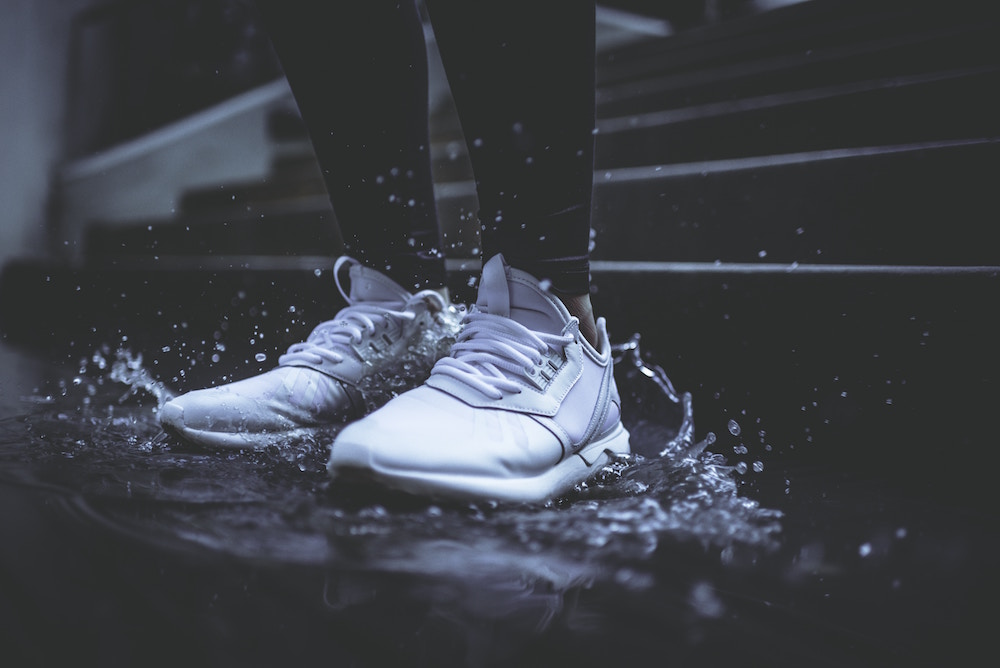
Rain can damage footwear long before puddles soak through to your socks. Leather may stain or stiffen, suede can develop water marks, and fabric shoes may hold moisture for hours. Preparing wet weather shoes before rain exposure gives protective products time to settle and reduces the chance of permanent surface damage.
Why Rain Can Damage Shoes So Quickly
Water does more than make shoes temporarily wet. Moisture can disturb finishes, carry dirt deeper into fibers, loosen adhesives, and change how some materials dry.
Different Materials React Differently
Smooth leather usually tolerates light moisture better than untreated suede, but repeated soaking can still dry the leather out. Suede and nubuck are more vulnerable because their raised fibers absorb water and show marks easily.
Canvas and knit footwear may survive rain without visible staining, yet the lining and foam underneath can remain damp much longer than the outer surface suggests.
Prepare Shoes Before the Forecast Changes
Protection works best before water reaches the material. Start with clean, completely dry footwear so dirt isn’t sealed beneath a protective coating.
Apply a product specifically labeled for the shoe material. Online browsing often mixes practical footwear care with seasonal style ideas, so check the product label rather than assuming one spray works safely on every finish.
Test any unfamiliar treatment on a small, less-visible area first. Color changes are especially noticeable on pale leather, suede, and specialty finishes.
Match Protection to the Shoe Material
A waterproofing spray may suit fabric or suede, while smooth leather may respond better to an appropriate conditioner followed by a compatible protectant. Product directions matter because overapplication can leave residue or change texture.
People interested in layered outfit inspiration may focus heavily on appearance, but shoe preparation should begin with material compatibility rather than color coordination.
| Material | Main Rain Concern | Practical Preparation |
|---|---|---|
| Smooth leather | Staining and stiffness | Condition and protect |
| Suede or nubuck | Water marks and flattened nap | Use suitable protective spray |
| Canvas | Moisture absorption | Apply fabric-safe protection |
| Knit fabric | Slow internal drying | Protect lightly and avoid soaking |
Dry Shoes Slowly After Rain Exposure
If shoes become wet, remove loose dirt before it dries into the surface. Take out removable insoles and loosen the laces so air can reach the interior.
Stuffing shoes lightly with plain absorbent paper can help draw out moisture while supporting their shape. Replace damp paper as needed rather than packing the shoe tightly.
Broader discussions of classic wardrobe details sometimes emphasize keeping favorite pieces for years, and drying habits are one of the practical factors that can affect how long footwear remains presentable.
Avoid direct heaters, hair dryers, radiators, and intense sunlight. Fast heat may harden leather, weaken adhesives, distort foam, or create uneven drying.
Common Rain-Care Mistakes That Backfire
One common mistake is applying heavy waterproofing immediately before walking outside. Some products need drying or curing time, so rushing the process may leave an uneven coating.
Another problem is repeatedly adding protectant without cleaning the shoe first. Layers of residue can trap dirt and affect appearance. Protection also isn’t permission to walk through deep water. Even treated shoes have seams, openings, and materials that may eventually allow moisture inside.
Frequently Asked Questions
Should waterproofing spray be applied to brand-new shoes?
It can be useful when the manufacturer allows it, especially for materials prone to staining. Check the shoe’s care instructions first because some factory finishes already provide protection or require specific products.
Can wet leather shoes be dried overnight?
They may dry overnight after light exposure, but heavily soaked shoes can take longer. Use airflow and room-temperature drying rather than heat, and avoid wearing them again while the interior remains damp.
How often should rain protection be reapplied?
There is no universal schedule. Wear frequency, weather exposure, cleaning, and the product itself affect durability. Follow the protectant manufacturer’s directions and reapply when water no longer beads or protection appears reduced.
Protect Shoes Before the First Drop
The easiest rain damage to handle is the damage that never develops. Clean footwear, choose protection designed for the material, and give treatments enough time to dry before heading outside. If shoes do get soaked, patient room-temperature drying is safer than aggressive heat. A few minutes of preparation can save far more time than repairing stains, stiffness, or distorted footwear later.