
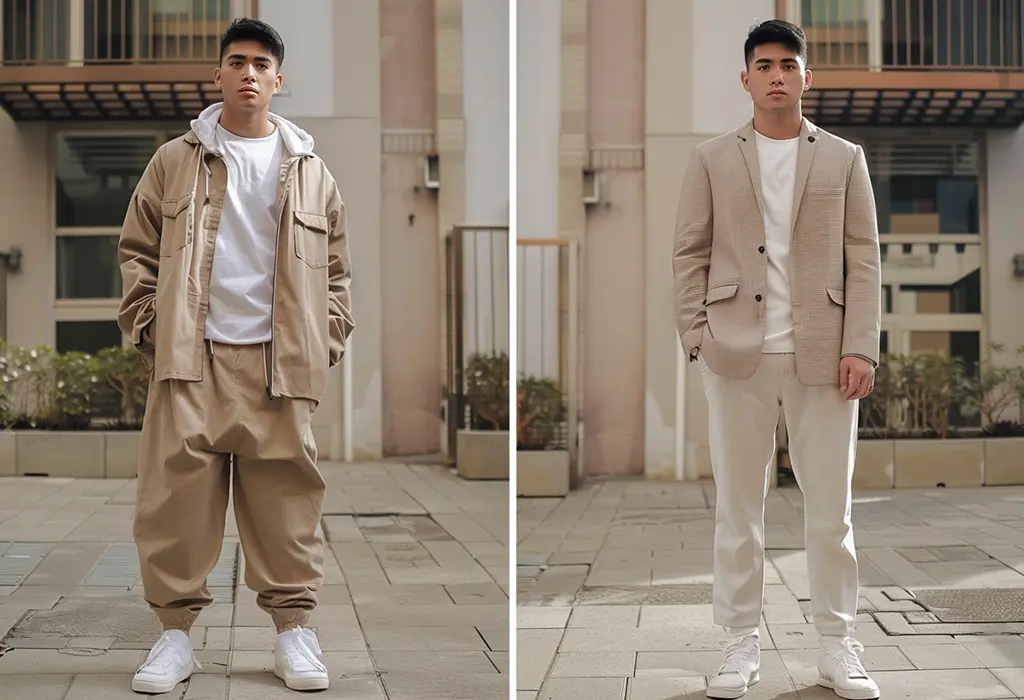
A large wardrobe can feel exciting until choosing an outfit becomes harder than it should be. An oversized clothing collection often creates hidden duplicates, forgotten pieces, and crowded storage rather than useful variety. The goal isn’t to own as little as possible. It’s to keep enough range for your lifestyle while removing clothing that no longer earns its space.
Identify Where the Excess Actually Comes From
Start by separating true variety from repetition. Ten tops may look different on hangers, yet seven might serve the same purpose, work with the same pants, and appear in almost identical colors.
Look at categories rather than judging the entire closet at once. Shirts, jeans, jackets, dresses, activewear, and occasion clothing become easier to evaluate when grouped together.
Style inspiration from independent fashion resources can also help clarify which silhouettes and clothing categories genuinely fit your current preferences rather than an older version of your wardrobe.
Keep Variety Based on Function
Useful variety comes from having pieces that solve different dressing needs. A casual cotton shirt, polished blouse, warm knit, and evening top contribute more range than four nearly identical casual shirts.
Think about where you actually go during a normal month. Work, errands, dinners, exercise, travel, and special events each create different clothing needs.
| Wardrobe Area | Possible Excess | Better Test |
|---|---|---|
| T-shirts | Similar colors and cuts | Keep distinct fits |
| Jeans | Near-identical washes | Keep useful shapes |
| Jackets | Same seasonal purpose | Compare warmth and use |
| Dresses | Rarely worn duplicates | Match real occasions |
Create More Outfits From Fewer Pieces
Before removing clothing, test how well each item connects with the rest of your wardrobe. A piece that works in six outfits can offer more practical variety than a statement item that only works with one specific combination.
Browsing everyday style inspiration may provide useful ideas for recombining clothes you already own. Sometimes the problem isn’t owning too little variety. It’s failing to see the combinations already available.
Accessories can also stretch a smaller clothing collection. Shoes, bags, scarves, belts, and jewelry can change the character of a repeated base outfit without requiring another full set of clothes.
Reduce Clothing in Manageable Rounds
Trying to cut half a closet in one afternoon often leads to regret. A better approach is removing obvious failures first: damaged pieces, uncomfortable clothing, incorrect sizes, and items you consistently avoid.
Then create a temporary holding area for uncertain pieces. If several weeks pass without wanting any of them, deciding becomes easier.
Resources covering modern wardrobe ideas can be useful when deciding which older pieces still fit naturally beside the styles you wear now.
What People Often Get Wrong About Decluttering
One common mistake is treating wardrobe reduction as a numbers contest. Owning exactly 30, 50, or 100 pieces doesn’t automatically produce a functional closet.
Another mistake is removing unusual clothing first. A distinctive jacket worn regularly may deserve space more than five basic tops that rarely leave the hanger. Frequency, comfort, versatility, condition, and personal enjoyment matter more than whether an item looks minimalist.
Frequently Asked Questions
How do I know whether I own too many clothes?
Your wardrobe may be oversized if storage remains crowded, items are regularly forgotten, outfit decisions feel difficult, or many pieces perform nearly identical roles. Available space and lifestyle matter more than a universal clothing number.
Should I remove clothes I haven’t worn for a year?
The one-year rule can help, but it isn’t absolute. Formalwear, seasonal clothing, travel gear, or meaningful specialty pieces may naturally be worn less often. Consider realistic future use before deciding.
How can I keep wardrobe variety with fewer clothes?
Keep different silhouettes, fabrics, colors, levels of formality, and seasonal functions rather than several versions of the same item. Strong accessories and flexible layering pieces can expand outfit possibilities further.
Build a Smaller Collection That Still Feels Interesting
Reducing wardrobe volume works best when the goal is better choice rather than extreme minimalism. Keep clothing that fits, feels comfortable, supports your actual routine, and creates noticeably different outfits. Remove repetition before removing personality. A slightly smaller collection with stronger connections between pieces usually gives you more usable variety, not less.


