
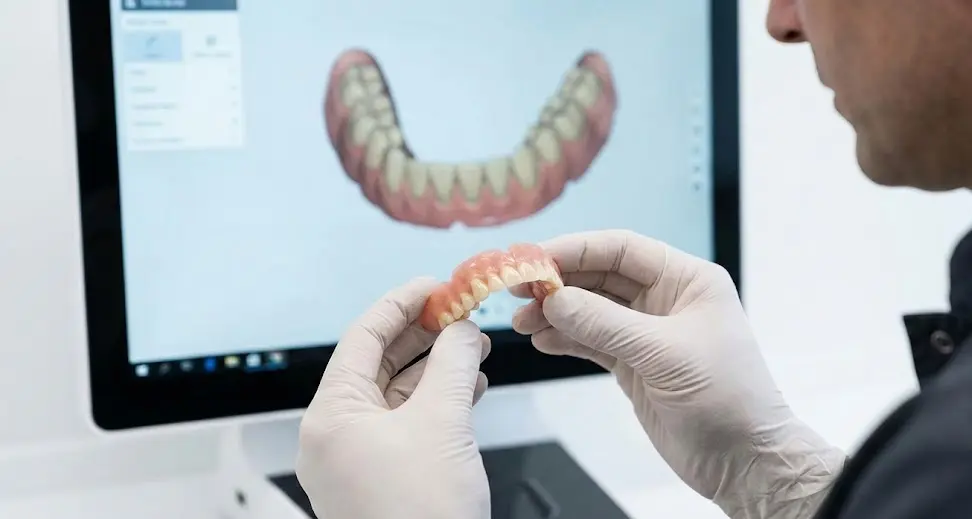
Dentures should feel stable enough for everyday speaking and eating without repeatedly rubbing, pinching, or creating sore areas. Poor denture comfort often develops when the fit changes, the denture becomes worn, or pressure is distributed unevenly across the gums. Professional adjustment can correct many of these problems without relying on temporary home fixes.
Why Can Dentures Become Uncomfortable?
A denture that once felt comfortable may gradually loosen because the jawbone and gum tissues beneath it can change over time. Wear on the denture surface can also alter how the upper and lower teeth meet.
Loose dentures may slide while chewing or speaking. Broader discussions about everyday comfort sometimes appear among general lifestyle resources, but denture pain itself should be assessed from a dental perspective rather than treated as a routine inconvenience.
Pressure Points Matter
A small area receiving too much pressure can become tender even when the rest of the denture appears to fit normally. Dentists can identify these pressure points and make controlled adjustments to the denture base.
Signs That the Fit May Need Attention
Persistent soreness, movement while eating, clicking, or difficulty keeping the denture stable can point toward a fit problem. A denture may also begin trapping food underneath it more often.
People researching appearance and personal presentation through style-focused reading may naturally think first about how dentures look. Comfort and function deserve equal attention because repeatedly irritated tissue can make normal eating increasingly difficult.
| Problem | Possible Pattern | Useful Next Step |
|---|---|---|
| Sore spot | Pain in one small area | Dental fit check |
| Denture movement | Slips while chewing | Assess stability |
| Food trapping | Debris under denture | Review fit |
| Clicking | Movement during speech | Check bite and retention |
Why Professional Adjustment Is Better Than Home Alteration
Grinding, bending, filing, or reshaping a denture at home can make the fit worse. Small changes may affect how the entire appliance contacts the gums and opposing teeth.
Online readers may encounter repair ideas through fashion and appearance content or other unrelated websites, but denture adjustment requires dental knowledge and appropriate equipment. A dentist may adjust pressure areas, evaluate the bite, or determine whether relining or replacement makes more sense.
According to the National Institute of Dental and Craniofacial Research, professional oral care plays an important role in identifying problems affecting the mouth, teeth, and surrounding tissues.
What People Commonly Get Wrong
A common mistake is assuming that uncomfortable dentures simply require more adhesive. Adhesive can improve retention in certain situations, but it cannot correct a poorly shaped base, significant wear, or changes in the tissues underneath.
Another mistake is accepting constant soreness as unavoidable. A short adaptation period can occur with new dentures, yet persistent pain deserves evaluation rather than repeated attempts to tolerate it.
When Should Denture Problems Be Checked Promptly?
Contact a dentist if a denture causes persistent sores, bleeding areas, significant pain, worsening difficulty chewing, or noticeable changes in the mouth. A denture that suddenly becomes much looser also deserves attention.
Seek faster professional evaluation for swelling, an oral sore that does not improve, signs of infection, or tissue changes that remain after the denture is removed.
Frequently Asked Questions
Should dentures hurt when chewing?
Persistent pain while chewing isn’t considered a normal long-term feature of properly fitting dentures. Pressure points, movement, bite problems, or changes in the gums may need professional assessment.
Can a dentist make loose dentures fit better?
Sometimes. Depending on the condition of the denture and the tissues underneath, a dentist may adjust it, reline it, or recommend replacement when modification is unlikely to provide stable results.
Should I adjust my dentures myself?
No. Filing, bending, or reshaping dentures at home can damage the appliance and create new pressure areas. Professional adjustment provides better control over both fit and bite.
Make Comfort Part of Routine Denture Care
Denture discomfort is easier to manage when the cause is identified instead of repeatedly covered with temporary fixes. If soreness, looseness, or chewing difficulty continues, arrange a dental examination and have the fit assessed before irritation becomes a daily problem.
This article is for general informational purposes and is not a substitute for professional medical advice, diagnosis, or treatment.


