
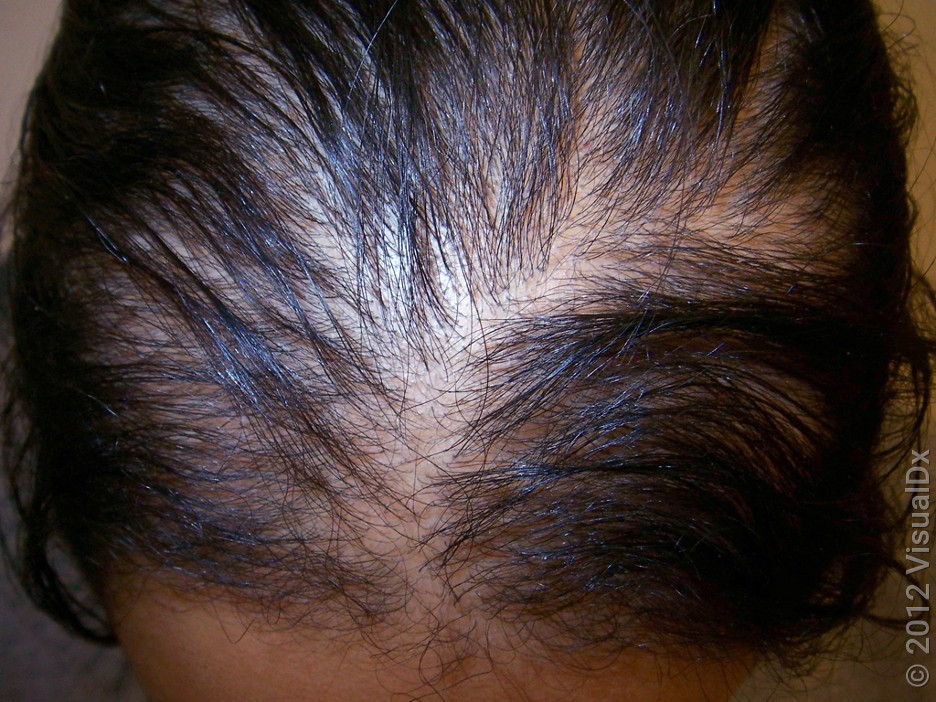
Hair thinning can develop for many reasons, and the cause matters more than the product aisle. Genetics, stress, hormonal shifts, nutritional problems, medications, scalp conditions, and certain illnesses can all affect how hair grows or sheds. Before spending money on treatments, it helps to notice the pattern and consider whether a medical evaluation makes sense.
What Can Hair Thinning Look Like?
Hair loss doesn’t always begin with obvious bald patches. Some people notice a wider part, reduced ponytail thickness, more visible scalp, or unusually large amounts of hair in the shower.
Pattern and Timing Matter
Gradual thinning around predictable areas may differ from sudden shedding across the whole scalp. Patchy loss, broken hairs, redness, scaling, or tenderness can point toward a different problem that deserves closer attention.
People researching appearance changes often move between health information and broader wellness reading resources. Online material may help organize questions, but it cannot identify the cause from appearance alone.
Why Can Hair Start Thinning?
Hair follicles move through growth and resting cycles. Genetics can influence those cycles, while major stress, illness, childbirth, restrictive eating, thyroid problems, iron deficiency, and other changes may temporarily increase shedding.
The American Academy of Dermatology explains that many types of hair loss exist and that treatment depends on identifying the cause. A clinician may review medical history, scalp findings, medications, diet, and other symptoms before deciding whether testing is useful.
People comparing possible causes may also encounter general lifestyle content while researching stress or daily habits. Those resources should remain separate from medical diagnosis.
| Hair Change | Possible Pattern | What to Consider |
|---|---|---|
| Gradual thinning | Develops slowly | Genetics or aging may contribute |
| Sudden shedding | More hair falls out quickly | Stress, illness, or another trigger |
| Patchy loss | Defined areas appear | Needs medical assessment |
| Scalp irritation | Redness, scale, discomfort | A scalp condition may be involved |
Why Buying Treatment First Can Backfire
A treatment aimed at hereditary thinning may not address hair loss caused by inflammation, nutritional deficiency, medication effects, or another health issue. Some products can also irritate the scalp or create unnecessary expense.
Before choosing anything, document when the change started, where thinning appears, and whether other symptoms developed around the same time. Keeping that information organized is more useful than moving rapidly between products and online self-care material.
What People Often Misread
Finding hair on a pillow or brush doesn’t automatically mean progressive hair loss. Normal shedding occurs every day, while temporary shedding can also follow physical or emotional stress.
The opposite mistake is assuming persistent thinning is purely cosmetic. A visible change can sometimes accompany another condition, so unexplained or worsening hair loss deserves more than guesswork.
When Should Hair Loss Be Evaluated?
Arrange medical care if hair loss is sudden, patchy, rapidly worsening, or accompanied by scalp pain, significant redness, sores, or other unexplained health changes. Evaluation is also reasonable when ongoing thinning causes concern or you cannot identify an obvious temporary trigger.
Urgent medical care may be appropriate when hair loss occurs alongside serious symptoms such as severe weakness, breathing problems, or another acute illness.
Frequently Asked Questions
Can stress cause noticeable hair shedding?
Physical or emotional stress can sometimes shift more hairs into a resting phase, producing increased shedding later. Because other causes can look similar, persistent or significant shedding may still need evaluation.
Should I take supplements for thinning hair?
Supplements aren’t automatically helpful and excessive intake of certain nutrients can create problems. Testing or professional advice may be appropriate when a nutritional deficiency is suspected.
Can hair grow back after thinning?
Some forms of hair loss are temporary and may improve when the underlying trigger resolves. Other types can be progressive, which is why identifying the cause early can influence treatment choices.
Identify the Cause Before Choosing a Treatment
Hair thinning is a pattern to investigate, not a reason to buy the first promising product. Track what changed, consider possible triggers, and seek appropriate evaluation when the loss is persistent, unexplained, sudden, or worsening. A clearer diagnosis gives you a better basis for deciding what—if anything—should be treated.
This article is for general informational purposes and is not a substitute for professional medical advice, diagnosis, or treatment.
