
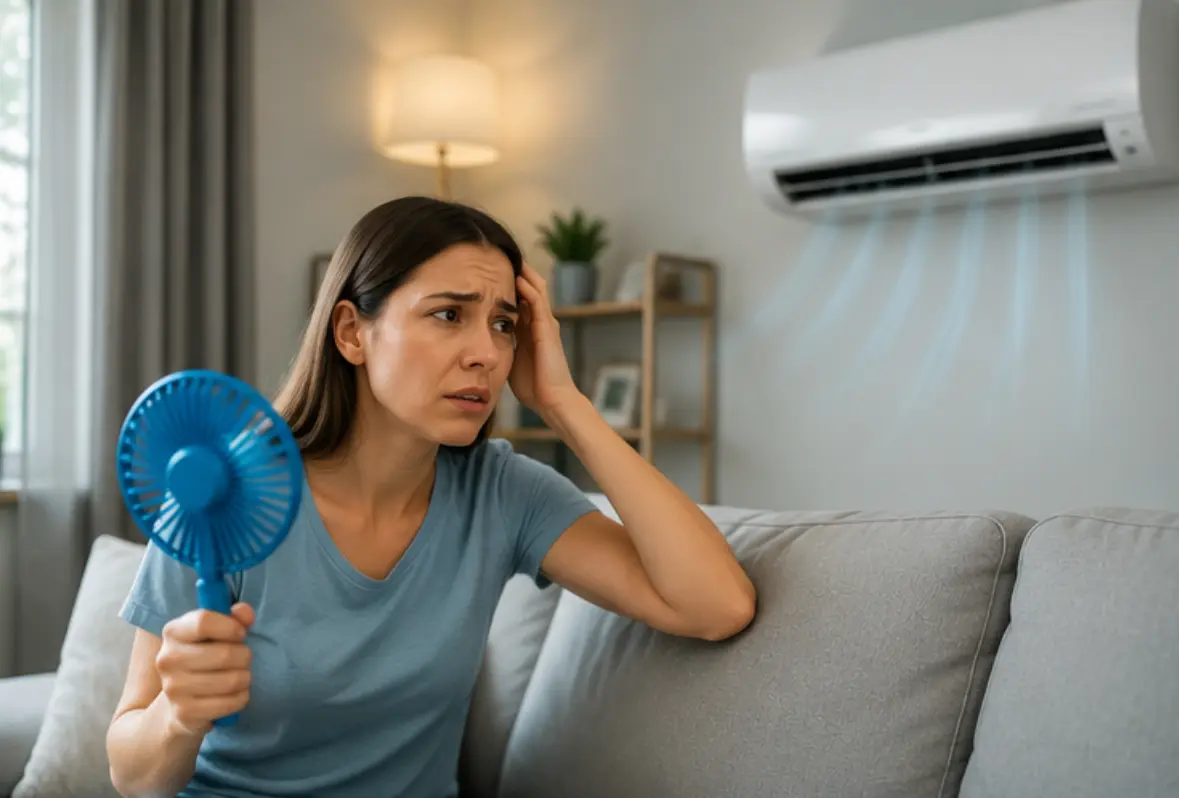
An air conditioner that struggles on mild days may have an even harder time once outdoor temperatures climb. Weak air conditioning can come from simple airflow problems, thermostat settings, dirty components, or equipment that needs professional attention. Checking the system before peak summer heat gives you time to correct small problems before your home becomes uncomfortable.
Start With the Airflow Basics
Cooling problems often begin with restricted airflow rather than a complete equipment failure. Check the return-air filter first. A filter packed with dust can reduce the amount of air moving through the system, leaving rooms warmer and making the equipment work longer.
Walk through the house and make sure supply vents aren’t blocked by furniture, rugs, boxes, or curtains. Homeowners browsing home maintenance ideas may encounter complicated cooling fixes, but these basic checks should come first because they require little effort and can reveal obvious restrictions.
Check What the Thermostat Is Asking For
Make sure the thermostat is set to cooling mode and the temperature setting is below the current indoor temperature. If your thermostat uses batteries, weak batteries can also create confusing behavior on some models.
Avoid repeatedly lowering the setting in hopes of making the system cool faster. Most standard systems cool at their normal operating rate regardless of how far you lower the target temperature.
Look for Uneven Cooling Patterns
Pay attention to where cooling feels weakest. One warm bedroom is a different problem from an entire house that stays hot. Room-specific trouble can involve closed dampers, blocked vents, heat from direct sunlight, insulation differences, or airflow balancing.
Comparing these patterns with broader seasonal comfort topics can help organize what you observe, but your own room-by-room notes are more useful when discussing the problem with a technician.
| Cooling Pattern | Possible Area to Check | Practical Response |
|---|---|---|
| Whole house warm | Filter or system performance | Check basic settings |
| One room warmer | Vent or airflow balance | Inspect room airflow |
| Cooling starts and stops | Thermostat or equipment | Watch operating pattern |
| Airflow feels weak | Filter or duct issue | Check accessible restrictions |
Inspect the Outdoor Area Safely
The outdoor condenser needs reasonable airflow around it. Leaves, tall weeds, grass clippings, and stored items can crowd the unit. Turn off power according to the manufacturer’s instructions before attempting any cleaning that goes beyond clearing loose material around the outside.
Keep landscaping trimmed back without damaging wiring, tubing, or condenser fins. General practical household guides can be useful for planning seasonal chores, yet electrical repairs, refrigerant work, and internal HVAC servicing are better left to qualified professionals.
A unit that makes new grinding, buzzing, or rattling sounds deserves attention instead of repeated restarts.
Prepare Before the Hottest Weather Arrives
Run the air conditioner before the first major heat wave rather than discovering a problem on the hottest afternoon of the year. Note whether it starts normally, whether airflow feels consistent, and whether indoor temperatures gradually move toward the thermostat setting.
Close windows while cooling and use blinds or curtains to limit strong afternoon sunlight. Heat entering through sunny windows can make an otherwise functioning system feel less effective.
If accessible ductwork has obviously loose connections, damaged sections, or large gaps, professional inspection may be worthwhile. Conditioned air escaping before reaching living spaces wastes cooling effort.
Mistakes That Can Make Cooling Problems Worse
One common mistake is assuming every weak-cooling problem means the air conditioner needs refrigerant. Poor airflow, thermostat issues, dirty equipment, duct problems, and mechanical faults can produce similar complaints.
Another mistake is repeatedly switching the system off and back on when it behaves abnormally. That doesn’t repair the cause and may make troubleshooting harder. Avoid opening electrical compartments or attempting refrigerant repairs yourself. Once basic homeowner checks are complete, unusual sounds, ice formation, repeated breaker trips, or continued poor cooling are strong reasons to call a qualified HVAC technician.
Frequently Asked Questions
Why is my air conditioner running but not cooling enough?
Restricted airflow, thermostat settings, dirty components, duct problems, or equipment faults can all reduce cooling. Start with the filter, vents, thermostat, and obvious outdoor obstructions before arranging professional diagnosis.
Should I replace my AC filter before summer?
Check it before heavy cooling season and replace it when dirty according to the filter and HVAC manufacturer’s guidance. Homes with pets, construction dust, or frequent system use may need more frequent checks.
Can closing unused vents improve air conditioning?
Closing many vents isn’t automatically beneficial. Residential systems are designed around particular airflow requirements, and major changes can affect system balance. If some rooms consistently receive too much or too little air, professional balancing may be a better solution.
Get the System Ready Before the Heat
A few early checks can separate easy airflow problems from issues that need professional service. Test the system, replace a dirty filter, clear blocked vents, and watch for unusual operating behavior while temperatures are still manageable. If cooling remains weak after those basics, arrange service before summer demand reaches its peak.


