Fuel costs can climb even when gas prices stay fairly steady. The problem is often hidden in everyday driving habits, vehicle condition, and unnecessary resistance. High fuel spending becomes easier to control when you focus on how smoothly the car moves, how efficiently trips are planned, and whether basic maintenance is being ignored.
Small changes usually matter more when they become consistent.
Understand Where Extra Fuel Goes
An engine uses more fuel when it repeatedly has to overcome sudden acceleration, high speeds, unnecessary weight, or mechanical resistance. A short aggressive drive can therefore consume noticeably more fuel than the same trip completed at a calmer pace.
City traffic complicates the picture because frequent stops force the vehicle to regain speed again and again. Planning around congestion can sometimes improve efficiency without changing anything about the car itself.
Watch Your Everyday Driving Pattern
Pay attention to when fuel economy falls. Long highway trips, crowded commuting, short neighborhood runs, and heavy air-conditioning use create different patterns.
Tracking a few fill-ups can reveal whether the problem is persistent or tied to certain routes.
Accelerate Smoothly and Read Traffic Earlier
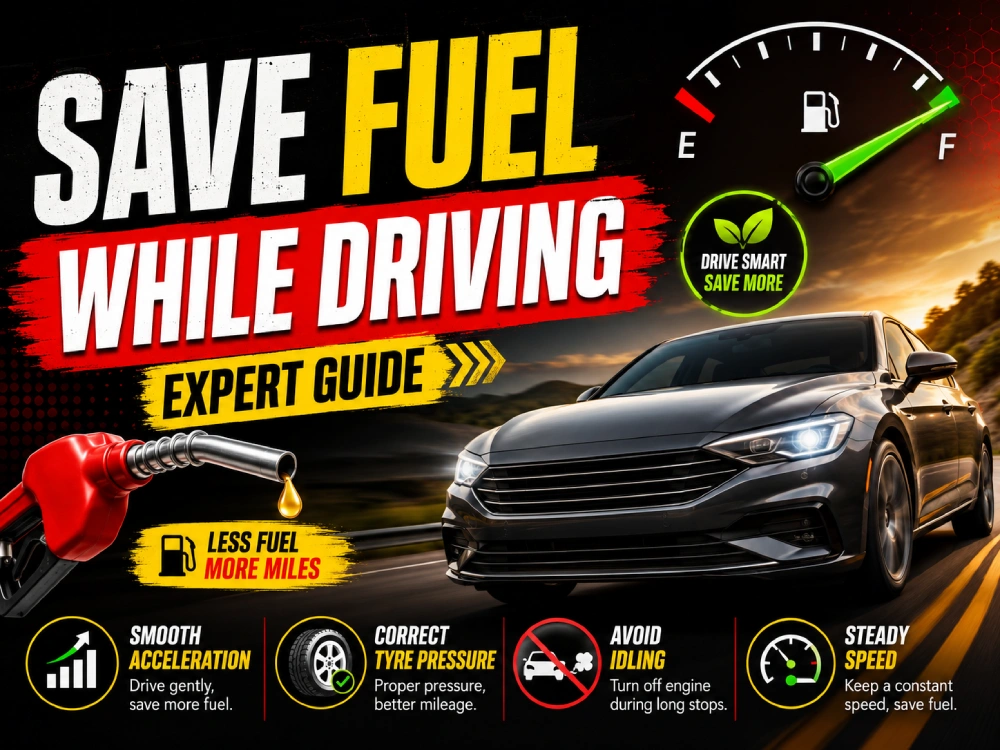
Hard acceleration sends more fuel to the engine to build speed quickly. Instead, apply the accelerator progressively and allow the vehicle to gain speed without unnecessary surges.
Drivers looking through practical driving references may encounter many efficiency suggestions, but the simplest habit is anticipation. Watching traffic several vehicles ahead gives you more time to ease off the accelerator instead of alternating between heavy acceleration and braking.
Coasting toward a red light is often more efficient than maintaining speed until the final moment.
Control Speed and Combine Short Trips
Fuel economy can decline as highway speed rises because aerodynamic resistance increases. Driving at a steady, reasonable speed generally requires less energy than repeated high-speed acceleration followed by braking.
Route planning matters too. Broader digital travel directories can be useful when comparing destinations or planning stops, while navigation tools can help combine several errands into one logical route.
| Driving Habit | Fuel Effect | Better Approach |
|---|---|---|
| Hard acceleration | Higher fuel demand | Build speed gradually |
| Repeated short trips | More cold starts | Combine errands |
| Excess highway speed | More air resistance | Keep speed steady |
| Heavy unnecessary cargo | More vehicle load | Remove unused items |
Combining trips can be especially useful because an already-warm engine may operate more efficiently than one repeatedly started from cold.
Keep the Vehicle Rolling Efficiently
Underinflated tires increase rolling resistance, forcing the engine to work harder. Check tire pressure according to the vehicle manufacturer’s recommendation rather than guessing based on how the tires look.
Routine servicing also matters. General vehicle maintenance notes may help reinforce maintenance habits, but your owner’s manual should remain the main guide for service intervals and fluid specifications.
Remove unnecessary roof racks or cargo boxes when they aren’t being used. Their aerodynamic drag can work against fuel economy, especially at highway speeds.
Don’t Ignore Mechanical Changes
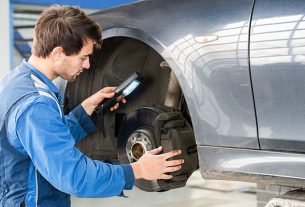
A sudden drop in mileage deserves attention. Dragging brakes, alignment problems, engine-management faults, or other mechanical issues can increase fuel use.
If the change is large or persistent, proper inspection can be more useful than trying dozens of driving tricks.
Efficiency Mistakes That Often Backfire
Trying to save fuel by driving unusually slowly can create new problems, particularly when your speed disrupts surrounding traffic. Efficient driving should remain predictable and appropriate for road conditions.
Another mistake is focusing on one tiny trick while ignoring larger causes. Removing a few pounds from the trunk will not compensate for aggressive acceleration, severely underinflated tires, or repeated unnecessary trips.
Fuel economy improves through a group of sensible habits rather than one secret technique.
Frequently Asked Questions
Does rapid acceleration use more fuel?
Yes. Rapid acceleration usually requires the engine to produce more power quickly, which increases fuel demand. Gradual acceleration is generally more efficient and also reduces the need for hard braking when traffic changes.
Can tire pressure affect gas mileage?
Yes. Tires that are below the recommended pressure create additional rolling resistance. Check them when cold and use the pressure specification provided by the vehicle manufacturer.
Should I combine errands to save fuel?
Combining several nearby errands can reduce repeated cold starts and unnecessary mileage. A planned loop is often more efficient than making separate trips throughout the day.
Make Every Tank Go Further
Start with the habits that influence every mile: smoother acceleration, sensible speed, properly inflated tires, less unnecessary weight, and better trip planning. Track your fuel economy over several fill-ups so you can see whether the changes are working. Consistency, rather than aggressive fuel-saving tricks, is what usually makes smarter driving worthwhile.