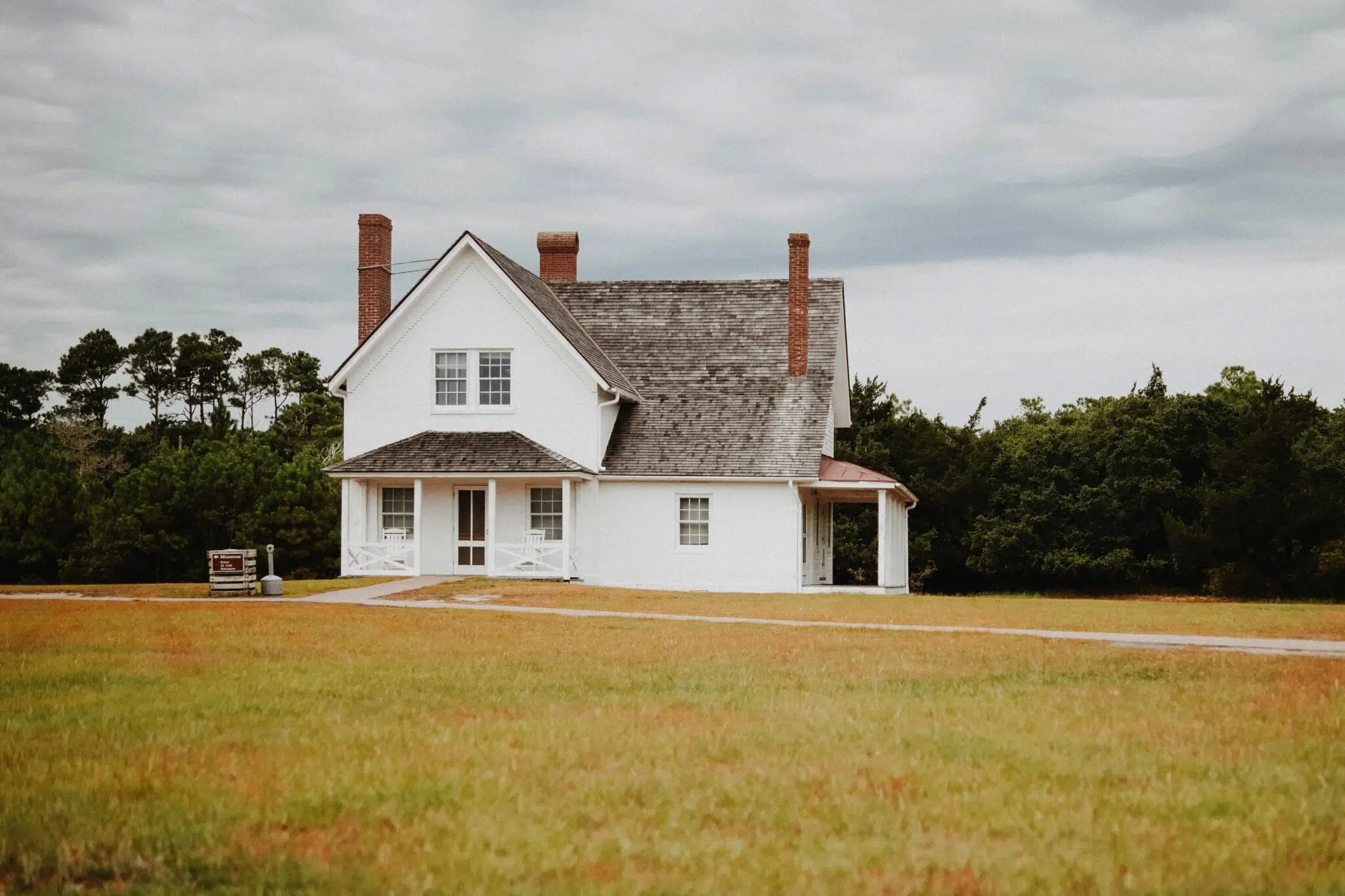
Older houses can offer established neighborhoods, distinctive architecture, and features that are difficult to find in newer construction. Those advantages should not distract buyers from older home risks hiding behind finished walls, updated paint, or attractive staging.
The goal isn’t to avoid an older property. It’s to understand which systems may require attention before price, financing, and emotional attachment make walking away harder.
Start With the Systems That Are Expensive to Replace
A polished kitchen tells you little about the condition of wiring, plumbing, drainage, or the roof. These systems deserve early attention because failure can affect both safety and future ownership costs.
Electrical panels, visible wiring, water pressure, pipe materials, foundation movement, and roof age all deserve a closer look. Buyers browsing homeownership reading alongside listings should still rely on property-specific inspections rather than general impressions.
Older construction isn’t automatically defective. Some houses were built with durable materials and maintained carefully for decades, while a younger house with neglected maintenance can create bigger problems.
Look Beyond Cosmetic Renovations
Recent flooring, cabinets, or bathroom finishes can make a property feel updated without changing the infrastructure underneath. Ask what work was completed, when it happened, and whether permits or supporting records are available where required.
Broader property research resources can help buyers organize questions, but the physical condition of the specific house must drive the decision. An inspector may identify clues that photographs and seller descriptions never reveal.
Watch for mismatched outlets, patched ceilings, fresh paint around isolated areas, slow drains, uneven floors, or doors that resist closing. None proves a serious defect, but each can justify closer investigation.
Compare Condition With the Purchase Price
A house needing work can still be a reasonable purchase if its condition is reflected in the price and the buyer has enough financial room for repairs.
| Area | Possible Concern | Buyer Response |
|---|---|---|
| Roof | Aging materials or leaks | Request inspection details |
| Electrical | Older panel or wiring | Obtain qualified evaluation |
| Plumbing | Corrosion or weak flow | Check condition and access |
| Foundation | Cracks or movement | Investigate severity |
Estimate repairs realistically instead of assuming every issue will be inexpensive. Buyers reviewing real estate information may see many attractive opportunities, but the strongest deal is one whose condition fits the available budget.
Understand That Maintenance History Matters
Age alone doesn’t determine whether a home is a good purchase. A 70-year-old property with documented roof, plumbing, electrical, and HVAC updates may be easier to own than a 25-year-old home where major components remain original.
Ask for receipts, warranties, permits, and service records when available. Documentation can help separate genuine improvements from cosmetic claims.
Inspection findings should also be viewed together. Several moderate issues occurring at once can create more financial pressure than one obvious repair.
Common Assumptions That Create Trouble
One mistake is believing an older home will automatically need a complete renovation. Another is assuming a renovated appearance means major systems have already been replaced.
Buyers can also focus too heavily on inspection labels such as “old” without asking whether a component remains functional and serviceable. Inspection results are most useful when they explain condition, expected maintenance, and possible consequences. The practical question isn’t whether the home has imperfections. Most do. The question is whether you understand them before committing.
Frequently Asked Questions
Are older homes more expensive to maintain?
They can be, especially when several major systems are approaching replacement at the same time. Maintenance history matters more than age alone, so review previous upgrades and current inspection findings before estimating future expenses.
Should buyers get additional specialist inspections?
A general inspection may reveal concerns that deserve evaluation by electricians, plumbers, structural professionals, roofers, or other qualified specialists. Additional checks can be worthwhile when the potential repair is expensive or safety-related.
Can inspection issues be negotiated with the seller?
Depending on the contract and local market, buyers may request repairs, credits, price adjustments, or other solutions. What is possible depends on the purchase agreement, seller response, and applicable transaction rules.
Make the Condition Part of the Decision
An older home can be a rewarding purchase when its condition, repair needs, and price make sense together. Inspect the expensive systems early, verify major improvements where possible, and build realistic repair costs into your decision. The best time to understand an aging house is before your commitment becomes difficult to change.