
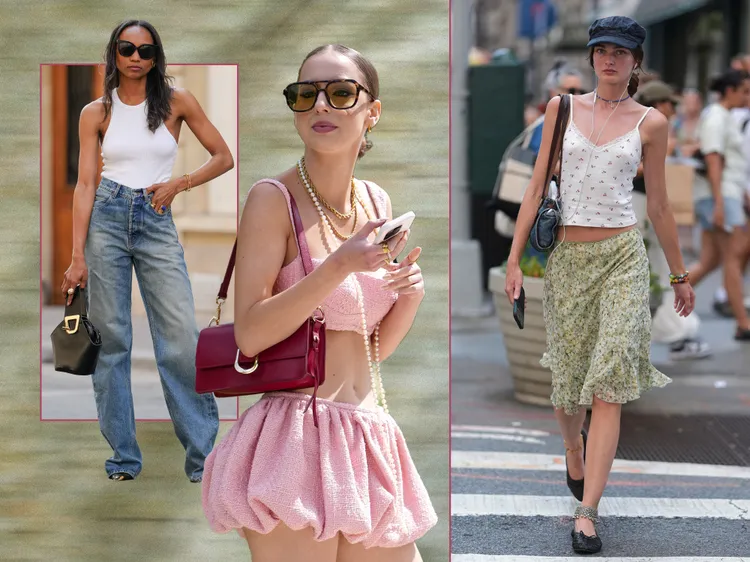
Trends can refresh a wardrobe, but wearing several of them at once often makes an outfit feel more like a checklist than personal style. The easiest way to handle too many trends is to choose one noticeable current element and surround it with quieter pieces you already understand. That keeps the look timely without letting fashion overwhelm the person wearing it.
Choose One Trend to Lead the Outfit
A strong outfit usually has a clear focal point. If wide-leg jeans, metallic shoes, an oversized jacket, and a statement bag are all competing for attention, the eye doesn’t know where to settle.
Choose the trend that matters most to you that day. Someone interested in broader styling ideas may notice how everyday outfit inspiration often works best when one feature carries the visual weight and the remaining pieces provide balance.
Let Familiar Basics Do the Supporting Work
Pair a trendy item with clothing that already feels natural. A dramatic skirt might work with a simple knit top and familiar loafers instead of another attention-grabbing piece.
Basics aren’t boring in this context. They’re what allow the fashionable element to look intentional.
Keep Silhouettes Under Control
Trend-heavy outfits often become messy because several exaggerated shapes appear together. An oversized blazer, very wide trousers, and chunky footwear can create more volume than the outfit needs.
Looking through wardrobe styling references can be useful for noticing how proportions interact. If the top has significant volume, a cleaner lower half may give the whole outfit more definition.
| Trend Situation | Common Problem | Better Direction |
|---|---|---|
| Oversized top | Too much volume | Cleaner bottoms |
| Bold print | Visual competition | Solid companions |
| Statement shoes | Outfit feels busy | Simpler clothing |
| Dramatic accessory | Too many focal points | Keep others quiet |
Use Color to Quiet a Trend-Heavy Look
Color can make several fashionable pieces feel more connected. Repeating one neutral or choosing shades from a narrow palette prevents the outfit from looking assembled from unrelated trends.
A person exploring modern wardrobe ideas may find that even unusual pieces become easier to wear when their colors relate. A bright jacket, for example, feels calmer with black, cream, denim, or another familiar base.
Repeat Rather Than Add
If an outfit already has three colors, adding a fourth rarely improves it. Repeating a color from the shoes in the bag or belt is usually more effective.
That small repetition gives the outfit structure without requiring another trend.
Know Which Trends Belong in Your Wardrobe
A trend can look appealing online and still have little connection to your normal life. The better question isn’t whether something is fashionable. It’s whether you can imagine wearing it repeatedly with clothes you already own.
Think about comfort, schedule, climate, workplace expectations, and how much effort you want to spend styling. A difficult trend may provide one exciting outfit while an adaptable one can refresh ten.
Where Trend-Chasing Goes Wrong
The biggest mistake is treating newness as improvement. Constantly replacing pieces can leave you with more clothing but fewer outfits because every purchase requires a specific combination to work.
Another problem is copying complete looks without considering your own proportions or preferences. Trends are most useful as ingredients, not instructions. Keeping only the parts that suit you creates a wardrobe that evolves without losing its identity.
Frequently Asked Questions
How many trends should you wear in one outfit?
One obvious trend is often enough. Two can work when they complement rather than compete with each other, but adding several bold trends usually makes an outfit harder to balance.
Can basics make an outfit look outdated?
Not necessarily. Simple jeans, shirts, knitwear, jackets, and shoes provide a stable foundation that allows newer cuts, colors, or accessories to make the outfit feel current.
Should you stop buying trendy clothes completely?
No. Trend pieces can make dressing more enjoyable. The useful approach is selecting trends that fit your lifestyle and combine easily with clothes you already wear.
Build Around What Already Works
You don’t need to reject trends to develop consistent style. Give each new idea room to stand out, keep supporting pieces quieter, and pay attention to whether the item works beyond one carefully planned outfit. A wardrobe stays current more naturally when trends are filtered through your preferences instead of replacing them.


