
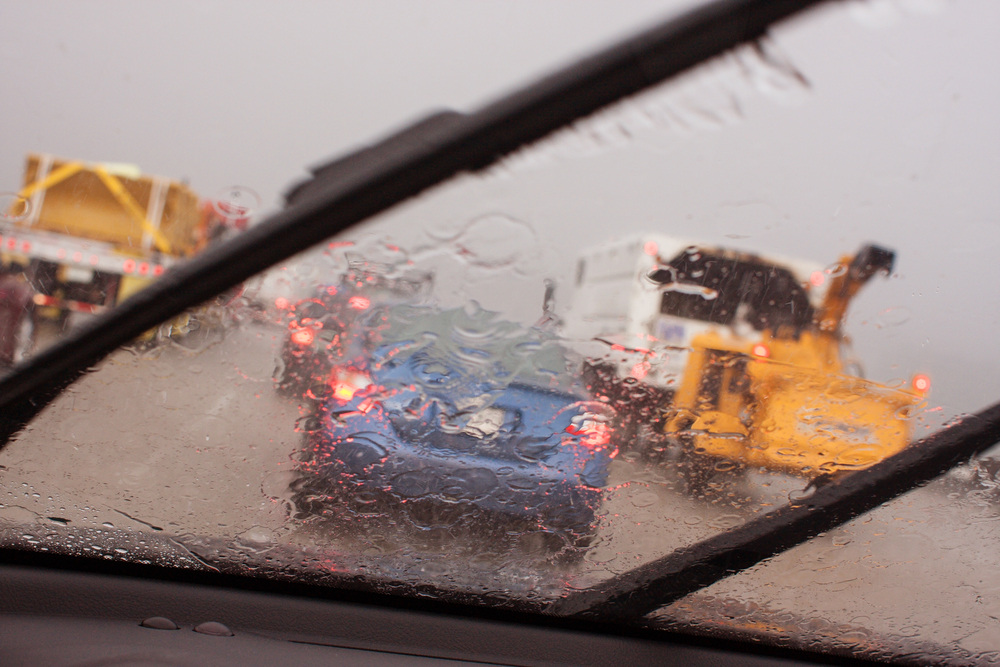
Windshield wipers rarely fail all at once. They usually get worse gradually, leaving streaks, skipping across the glass, or creating a hazy film that becomes dangerous when rain gets heavy. Replacing worn windshield wipers before bad weather arrives gives you clearer visibility and prevents a simple maintenance issue from becoming a stressful driving problem.
Know When Your Wipers Are Finished
Rubber wiper edges take constant punishment from sunlight, heat, freezing temperatures, dirt, and road debris. Over time, the edge becomes hard, cracked, torn, or uneven.
A blade that leaves one small streak may still seem usable on a dry day. Once heavy rain hits, however, that untreated strip can sit directly in your field of vision. Drivers browsing practical everyday topics may overlook wipers because they seem minor compared with tires or brakes, but visibility is a basic part of safe vehicle operation.
Listen and Watch for Warning Signs
Chattering, squeaking, skipping, and visible streaking deserve attention. You may also notice sections of water that remain untouched after each pass.
Inspect the rubber while the vehicle is parked. Small splits, missing pieces, bent frames, or rubber separating from the blade are good reasons to replace the unit rather than trying to stretch its remaining life.
Choose the Correct Replacement Blade
Wiper blades aren’t universal. Driver-side and passenger-side blades frequently use different lengths, and rear-window blades may require another size or attachment.
Your owner’s manual, parts catalog, or vehicle-specific lookup can help identify the correct fit. Broader helpful reading collections can provide ideas across many everyday subjects, but blade dimensions should always be matched to your actual vehicle.
| Wiper Problem | Likely Issue | Practical Response |
|---|---|---|
| Thin streaks | Dirty or worn edge | Clean, then inspect |
| Skipping blade | Hardened rubber | Consider replacement |
| Unwiped section | Damaged blade/frame | Replace blade |
| Loose movement | Poor attachment | Recheck connector |
Replace Wipers Carefully
Park on level ground and switch the vehicle off before working around the windshield. Lift the wiper arm gently and avoid allowing the bare arm to snap against the glass because it can damage the windshield.
Release the old blade using its tab, clip, or connector. Compare the old and new pieces before installation, then secure the replacement until it clicks or locks firmly into position.
Some vehicles use specialized connectors, so forcing a blade that doesn’t fit is a common failure point. Stop if excessive pressure seems necessary and confirm that the adapter matches your wiper arm.
Test Them Before Rain Arrives
Don’t wait for the next storm to discover that a blade was installed backward or hasn’t locked into place. Lower both arms carefully, spray washer fluid, and run the wipers through several cycles.
Look for smooth movement and a consistently cleared windshield. People exploring general lifestyle information may encounter countless maintenance tips, yet testing immediately after installation is what confirms the specific repair worked.
Mistakes That Reduce Wiper Performance
Replacing blades without cleaning the windshield can leave old grime behind, making brand-new wipers appear defective. Clean both the glass and the rubber edges before assuming there is an installation problem.
Another mistake is ignoring the wiper arm itself. A bent arm, weak spring tension, damaged linkage, or loose connection can cause poor wiping even with a fresh blade. New rubber can’t correct every mechanical issue.
Frequently Asked Questions
Can I replace windshield wipers myself?
Most conventional blades can be replaced without specialized tools. The attachment system varies by vehicle, so checking the blade instructions or vehicle manual before removing the old unit can prevent connector damage.
Why do new windshield wipers still streak?
The windshield may be oily or contaminated, the blade may not be fully attached, or the wiper arm may not maintain even pressure. Clean the glass and inspect installation before replacing another blade.
Should both windshield wipers be replaced together?
Replacing both can provide more consistent performance when they are similar in age. If one was damaged unusually early, however, the other blade may still be serviceable after careful inspection.
Make Visibility a Maintenance Priority
Wipers are inexpensive compared with many vehicle repairs, but their job becomes critical the moment weather turns bad. Inspect them when streaking, noise, cracking, or uneven wiping begins, and test replacements immediately. Handling worn windshield wipers before heavy rain means one less problem competing for your attention when the road becomes difficult to see.
