
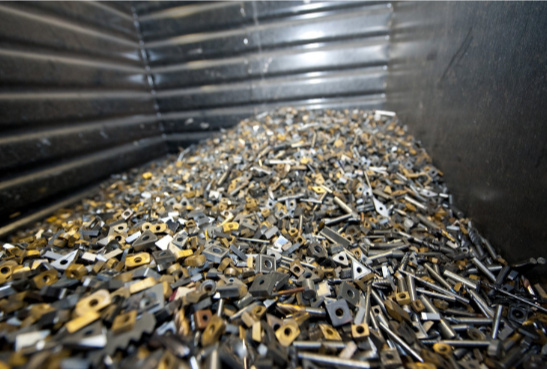
Metalworking and manufacturing industries are constantly evolving, seeking materials that offer durability, precision, and efficiency. One such material that has significantly impacted these industries is tungsten carbide metal. Known for its exceptional hardness and resistance to wear, tungsten carbide metal is changing how manufacturers approach cutting, shaping, and producing metal components. This article explores how this remarkable material is transforming the world of metalworking.
The Unique Properties of Tungsten Carbide Metal
Tungsten carbide metal stands out because of its incredible strength and durability. It is harder than most other metals, which allows it to withstand extreme pressure and high temperatures without losing its shape. These properties make tungsten carbide metal ideal for cutting tools, drilling equipment, and industrial machinery. Unlike conventional steel, it maintains sharpness for a longer period, reducing the need for frequent replacements and saving time and costs for manufacturers.
Advancements in Cutting Tools
One of the primary areas where tungsten carbide metal has revolutionized manufacturing is in cutting tools. From drills to milling cutters, the use of tungsten carbide metal ensures higher precision and smoother finishes on metal surfaces. Its resistance to wear means tools made from tungsten carbide metal can operate at higher speeds and handle harder materials, improving productivity in factories and workshops. Manufacturers can now achieve intricate designs and tighter tolerances that were difficult with traditional materials.
Enhancing Manufacturing Efficiency
Efficiency is critical in modern manufacturing, and tungsten carbide metal plays a crucial role in achieving it. Tools and components made from this material last longer, reducing downtime for maintenance and replacements. Machines equipped with tungsten carbide metal parts operate with greater reliability, which leads to more consistent production rates. The reduced wear also minimizes the risk of errors or defects, ensuring that the final products meet high-quality standards.
Expanding Applications Across Industries
Beyond traditional metalworking, tungsten carbide metal has found applications in a wide range of industries. Automotive, aerospace, and construction sectors benefit from components that can endure heavy use and harsh conditions. Its hardness and heat resistance make it suitable for high-performance machinery, engine parts, and even mining equipment. As industries demand stronger and more durable solutions, tungsten carbide metal continues to prove its versatility and value.
Cost-Effectiveness Over Time
While tungsten carbide metal may have a higher initial cost compared to standard metals, its longevity and performance make it cost-effective in the long run. Manufacturers spend less on tool replacements, repairs, and machine downtime, which can result in significant savings. Moreover, its ability to maintain precision and quality reduces waste and improves overall productivity, providing a strong return on investment for businesses adopting this material.
Driving Innovation in Metalworking
The use of tungsten carbide metal is not just improving existing processes but also driving innovation. Its unique properties allow engineers and designers to develop new types of tools and machinery that were not possible with traditional metals. As manufacturers experiment with tungsten carbide metal, they continue to discover ways to enhance product performance, reduce production time, and achieve greater efficiency. This innovation contributes to the competitiveness of businesses in a rapidly changing industrial landscape.
Conclusion
Tungsten carbide metal is reshaping metalworking and manufacturing by offering unmatched hardness, durability, and efficiency. From cutting tools to complex machinery, its applications are improving productivity, reducing costs, and enabling precision that was previously difficult to achieve. As industries continue to explore its potential, tungsten carbide metal is likely to play an even more significant role in advancing modern manufacturing, helping companies deliver high-quality products with greater speed and reliability.

